
177 | How to Cut Discretionary Spending During Crisis

177 | How to Cut Discretionary Spending During Crisis

Most people think they know where their money goes — until a crisis forces them to actually look. Brad and Jonathan walk through the financial reckoning many faced during pandemic-era uncertainty and the framework that helped them regain control. The conversation centers on distinguishing core expenses (housing, food, utilities — the non-negotiables) from discretionary spending (subscriptions, memberships, convenience purchases that quietly compound). When income becomes unstable or the economic outlook darkens, this clarity becomes urgent. [00:12:00] The hosts stress that budgeting isn't about deprivation; it's about knowing where you have leverage. [00:00:00] Introduction and PSA on the Current Economic Situation [00:03:41] The Importance of Reevaluation [00:12:00] Budgeting: Core vs. Discretionary Expenses [00:18:00] Building and Utilizing Your Emergency Fund Core expenses are the essentials required to maintain a basic standard of living. [00:13:40] Everything else is discretionary — and in uncertain times, discretionary spending becomes the first place to find breathing room. "If you're not using it, it may be time to cut it." [00:12:51] The simplicity of that standard cuts through the justifications we build around recurring charges. The emergency fund discussion [00:18:00] shifts from abstract advice to concrete relief. When you have reserves, you can make decisions from a position of stability rather than desperation. A fear-setting exercise [00:18:45] helps visualize worst-case scenarios and strips them of their emotional weight, making them manageable. Practical steps include: Conduct a budget review focusing on core expenses [00:12:55] Initiate a fear-setting exercise to visualize worst-case scenarios [00:18:45] Evaluate where discretionary expenses can be reduced or eliminated "Now is the time to decide what truly adds value to your life." [00:10:56] Economic pressure becomes a forcing function for clarity. What are core expenses? Core expenses are essential spending items necessary for survival, such as housing, food, and utilities. [00:13:40] How can I prepare for economic uncertainty? Assess your essential expenses, establish an emergency fund, and be proactive in budgeting to ensure financial stability. [00:10:39] Related Resources: CIT Bank - High-yield savings accounts for emergency funds [00:19:43]

Det här avsnittet är hämtat från ett öppet RSS-flöde och publiceras inte av Podme. Det kan innehålla reklam.

Avsnitt(692)

609 | How to Talk to Your Partner about FI | Jasper Lee

609 | How to Talk to Your Partner about FI | Jasper Lee

Your spouse shoots down every FI conversation with "we can't afford it" or "retirement at 35 sounds crazy." You respond with better spreadsheets, tighter logic, more compelling numbers—and somehow mak...

27 Juli 59min

608 | Die With Zero, Revisited

608 | Die With Zero, Revisited

Brad Barrett's daughter just graduated high school. She's heading to college in a few months. The number of times he'll see her for the rest of his life? Already countable. This realization—visceral a...

20 Juli 1h 13min

607 | Other Mountains I Want to Climb | Diania Merriam

607 | Other Mountains I Want to Climb | Diania Merriam

Reaching financial independence is supposed to be the goal—but what if you get there and realize the real skill isn't earning or saving, but learning to spend? And what if the metric for business succ...

13 Juli 1h 21min
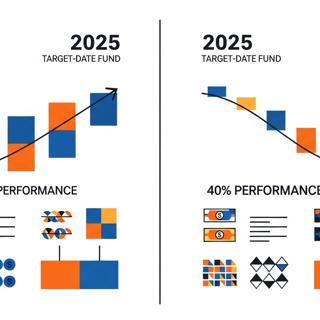
606 | Deep Dive: Target-Date Retirement and Bond Funds | Cody Garrett

606 | Deep Dive: Target-Date Retirement and Bond Funds | Cody Garrett

Most investors think they're buying the same thing when they choose a target date fund—but two people who bought 2025 target date funds 15 years ago could have 40% different returns today. Same target...

6 Juli 1h 8min

605 | Retire in Less Than 10 Years

605 | Retire in Less Than 10 Years

At 21, Cody Berman appeared on ChooseFI as a college student discovering financial independence. Three years later, he retired at 26. Now 30 with a $5 million net worth, he's back to reveal exactly ho...

29 Juni 1h 7min

604 | Getting Personal With Personal Finance: Bill Yount

604 | Getting Personal With Personal Finance: Bill Yount

Bill Yount reached financial independence at 60—then froze. His financial advisor confirmed 100% security, yet instead of relief, he felt disoriented fog. The emergency medicine physician who transfor...

22 Juni 1h
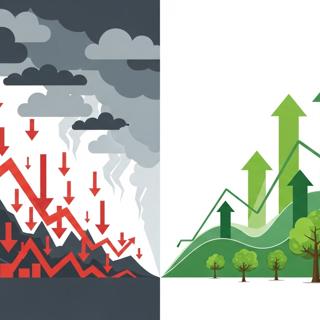
603 | Crash Proof: The Science Of Stock Market Resilience | Brian Feroldi

603 | Crash Proof: The Science Of Stock Market Resilience | Brian Feroldi

The stock market crashes about once every three years—at least a 20% drop. Most investors panic and sell. But if you understood why markets always recover, you'd do the opposite. Brian Feroldi reveals...

15 Juni 51min
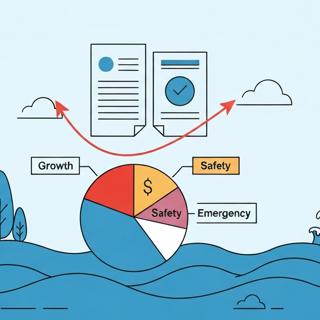
602 | FI 201 Beyond FI Basics: Asset Allocation & Market Psychology Mastery

602 | FI 201 Beyond FI Basics: Asset Allocation & Market Psychology Mastery

Most investors lose to the market because they're trying to pick winners in a game where only 4% of stocks have created 100% of market wealth over the past century. The math isn't in your favor—but th...

8 Juni 1h 1min

Populärt inom Business & ekonomi

badfluence
framgangspodden
varvet
dynastin
uppgang-och-fall
avanzapodden
svd-tech-brief
rss-inga-dumma-fragor-om-pengar
rss-kort-lang-analyspodden-fran-di
bathina-en-podcast
borslunch-2
tabberaset
rikatillsammans-om-privatekonomi-rikedom-i-livet
ekonomiekot-extra
fill-or-kill
montrosepodden
rss-veckans-trade
rss-hos-psykologen
rss-borslunch
rss-dagen-med-di