
Marriage and Sex in the Age of Ozempic: An Update
This week, The Daily is revisiting some of our favorite episodes of the year and checking in on what has happened in the time since.In the past few years, GLP-1 weight-loss drugs like Ozempic and Zepbound have been radically reshaping the people’s lives, changing appetites and health.But the drugs also have the power to affect other parts of consumers’ lives, including their romantic relationships.Lisa Miller, who writes about health for The New York Times, tells the story of how these drugs upended one couple’s marriage.Guest: Lisa Miller, a domestic correspondent for the Well section who writes about personal and cultural approaches to physical and mental health.Background reading: Listen to the original version of the episode here.Weight-loss drugs have lesser-known side effects on relationships.Photo: Katherine Wolkoff for The New York TimesFor more information on today’s episode, visit nytimes.com/thedaily. Transcripts of each episode will be made available by the next workday. Subscribe today at nytimes.com/podcasts or on Apple Podcasts and Spotify. You can also subscribe via your favorite podcast app here https://www.nytimes.com/activate-access/audio?source=podcatcher. For more podcasts and narrated articles, download The New York Times app at nytimes.com/app.
26 Dec 202520min

Trump Goes After Venezuela’s Oil
In it escalating campaign against Venezuela, the Trump administration has gone from shooting drug boats to trying to seize oil tankers in the Caribbean.Anatoly Kurmanaev, a foreign correspondent for The New York Times who has spent years covering Venezuela, explains why President Trump is shifting his strategy, and what that might tell us about his true endgame.Guest: Anatoly Kurmanaev, a reporter for The New York Times covering Russia and its transformation following the invasion of Ukraine.Background reading: Venezuela’s oil exports have plummeted after the United States took action against three tankers carrying crude.Photo: Satellite image ©2025 Vantor, via Associated PressFor more information on today’s episode, visit nytimes.com/thedaily. Transcripts of each episode will be made available by the next workday. Subscribe today at nytimes.com/podcasts or on Apple Podcasts and Spotify. You can also subscribe via your favorite podcast app here https://www.nytimes.com/activate-access/audio?source=podcatcher. For more podcasts and narrated articles, download The New York Times app at nytimes.com/app.
24 Dec 202527min

The Origins of Jeffrey Epstein
The latest release of files related to the sex offender Jeffrey Epstein left key questions unanswered about his rise to power and his connections to the president.David Enrich, an investigations editor at The New York Times, explains how he worked with a team of reporters to fill in those mysteries and reveal the truth about Mr. Epstein’s origins.Guest: David Enrich, a deputy investigations editor for The New York Times.Background reading: The release of the Epstein files revealed new photos, but many files were withheld.This is the untold story of how Mr. Epstein got rich.For more information on today’s episode, visit nytimes.com/thedaily. Transcripts of each episode will be made available by the next workday. Subscribe today at nytimes.com/podcasts or on Apple Podcasts and Spotify. You can also subscribe via your favorite podcast app here https://www.nytimes.com/activate-access/audio?source=podcatcher. For more podcasts and narrated articles, download The New York Times app at nytimes.com/app.
23 Dec 202529min

The Messy Reality of ‘Made in America’
The construction of a giant factory complex in Arizona was supposed to embody the Trump administration’s ability to bring manufacturing back to the United States.But undertaking big projects is not as simple as it seems. Peter S. Goodman, who writes about the intersection of economics and geopolitics for The New York Times, explains why.Guest: Peter S. Goodman, who covers the global economy for The New York Times.Background reading: Read about the 18,000 or so reasons that make it so hard to build a chip factory in the United States.Photo: Loren Elliott for The New York TimesFor more information on today’s episode, visit nytimes.com/thedaily. Transcripts of each episode will be made available by the next workday. Subscribe today at nytimes.com/podcasts or on Apple Podcasts and Spotify. You can also subscribe via your favorite podcast app here https://www.nytimes.com/activate-access/audio?source=podcatcher. For more podcasts and narrated articles, download The New York Times app at nytimes.com/app.
22 Dec 202530min

Sunday Special: The Best TV of 2025
In these final weeks of 2025, The Sunday Special is looking back at the year in culture.Today, we’re talking about the TV we watched this year — the best shows, the most popular ones and the ones that allowed us to just enjoyably veg out. Gilbert Cruz talks with the TV critic James Poniewozik and the culture reporter Alexis Soloski about the year in television.TV shows discussed in this episode:“Severance”“Common Side Effects”“Too Much”“Nobody Wants This”“Dying for Sex”“The Hunting Wives”“The White Lotus”“Dr. Odyssey”“Long Story Short”“Heated Rivalry”“Andor”“The Lowdown”“Platonic”“Pluribus”“The Pitt”“Adolescence”On Today’s Episode:James Poniewozik is the chief TV critic for The New York Times.Alexis Soloski is a culture reporter for The Times.Background Reading:Best TV Shows of 2025The Best TV Episodes of 2025Photo Credit: Apple TV+; Netflix; Lucasfilm/Disney+; HBO Subscribe today at nytimes.com/podcasts or on Apple Podcasts and Spotify. You can also subscribe via your favorite podcast app here https://www.nytimes.com/activate-access/audio?source=podcatcher. For more podcasts and narrated articles, download The New York Times app at nytimes.com/app.
21 Dec 20251h

'The Interview': Raja Shehadeh Believes Israelis and Palestinians Can Still Find Peace
The writer and lawyer has been documenting the occupation for decades. Somehow, he maintains hope.Thoughts? Email us at theinterview@nytimes.comWatch our show on YouTube: youtube.com/@TheInterviewPodcastFor transcripts and more, visit: nytimes.com/theinterview Subscribe today at nytimes.com/podcasts or on Apple Podcasts and Spotify. You can also subscribe via your favorite podcast app here https://www.nytimes.com/activate-access/audio?source=podcatcher. For more podcasts and narrated articles, download The New York Times app at nytimes.com/app.
20 Dec 202543min

Trump Says the Economy Is Good. Is It?
With anxieties building over affordability, President Trump made a push to reassure Americans just as the government released long-awaited data that raised new questions about the economic health of the nation.Tony Romm, who covers economic policy for The New York Times, discusses how Mr. Trump is trying to take control of the issue, and Ben Cassleman, The Times’s chief economics correspondent, explains what the latest numbers tell us about why people are still so frustrated.Guest:Tony Romm, a reporter in Washington covering economic policy and the Trump administration for The New York Times.Ben Casselman, the chief economics correspondent for The New York Times.Background reading: Here are six takeaways from Mr. Trump’s address to the nation.With tariffs unpopular and prices still high, the White House has teased the promise of tariff rebates and large tax refunds next year.Photo: Doug Mills/The New York TimesFor more information on today’s episode, visit nytimes.com/thedaily. Transcripts of each episode will be made available by the next workday. Subscribe today at nytimes.com/podcasts or on Apple Podcasts and Spotify. You can also subscribe via your favorite podcast app here https://www.nytimes.com/activate-access/audio?source=podcatcher. For more podcasts and narrated articles, download The New York Times app at nytimes.com/app.
19 Dec 202528min
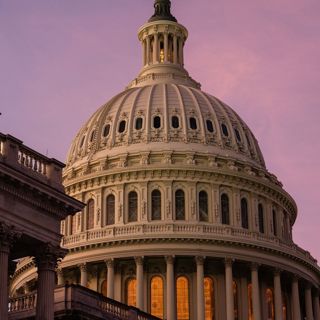
Congress Failed to Extend the Health Care Subsidies. Now What?
This week, despite a last-ditch effort by some House Republicans to strike a deal on health care, Congress remains deadlocked on whether to extend support for millions of Americans who get their health care through the Affordable Care Act.Margot Sanger-Katz, who covers health care policy, explains who will be most affected by the decision.Then, we hear directly from some of the Americans who will now face a decision: whether to keep paying for rising insurance costs or to risk going without it.Guest: Margot Sanger-Katz, a reporter for The New York Times who covers health care policy and government spending.Background reading: Four Republicans joined Democrats’ bid to force a vote on health subsidies.Obamacare users will be asked to pay more for plans that cover less.Photo: Eric Lee for The New York TimesFor more information on today’s episode, visit nytimes.com/thedaily. Transcripts of each episode will be made available by the next workday. Subscribe today at nytimes.com/podcasts or on Apple Podcasts and Spotify. You can also subscribe via your favorite podcast app here https://www.nytimes.com/activate-access/audio?source=podcatcher. For more podcasts and narrated articles, download The New York Times app at nytimes.com/app.
18 Dec 202526min