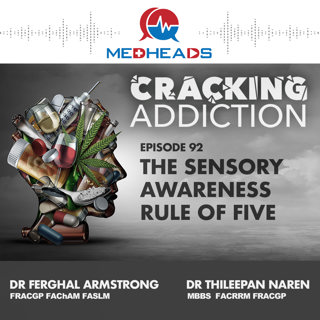
The Sensory Awareness Rule of Five

The Sensory Awareness Rule of Five

The Sensory Awareness Rule of Five is a technique that involves shifting one's focus from distressing thoughts or emotions to neutral sensory input. By focusing on what we can see, hear, feel, smell, and taste, we can ground ourselves in the present moment and reduce the intensity of our distress. This technique can be particularly helpful for individuals who experience re-experiencing symptoms associated with PTSD. By focusing on neutral stimuli, we can shift our attention away from distressing memories or flashbacks and regain a sense of control.

To use this technique, you can start by taking a few deep breaths and then focus on the present moment. What can you see around you? What sounds can you hear? What sensations can you feel in your body? What smells can you detect? What tastes can you identify? Take a few moments to observe these neutral sensory inputs and allow yourself to become fully present in the moment. This can help you to calm down and reduce the intensity of your distress.

Improve the Day Mnemonic

The "Improve" the day system is a useful intervention for managing distress that involves focusing on six areas of our lives that can improve our overall well-being and reduce distress. By implementing small changes in these areas, we can improve our mood, reduce distress, and enhance our overall well-being.

The acronym "Improve" stands for:

  1. Imagery: This involves using visualization techniques to imagine positive outcomes or situations. By visualizing positive outcomes, we can create a sense of hope and optimism. For example, if we are feeling distressed about an upcoming presentation, we can visualize ourselves giving a successful presentation and receiving positive feedback from our audience. This can help us feel more confident and less anxious about the upcoming event.
  2. Meaning: This involves identifying activities or experiences that give our lives meaning and purpose. When we engage in activities that are aligned with our values and beliefs, we experience a sense of fulfillment and satisfaction. For example, if we value helping others, we can engage in volunteer work or donate to a charitable organization. This can give us a sense of purpose and meaning, which can help reduce distress.
  3. Prayer: This involves engaging in spiritual or religious practices that provide comfort and support. For individuals who have a spiritual or religious practice, engaging in prayer or meditation can provide a sense of comfort and support. This can help reduce distress and provide a sense of connection to something larger than ourselves.
  4. Relaxation: This involves engaging in activities that promote relaxation and reduce stress, such as deep breathing, meditation, or yoga. When we are stressed or anxious, our body responds by releasing stress hormones, such as cortisol and adrenaline. By engaging in relaxation techniques, we can reduce the amount of stress hormones in our body and promote a sense of calm and relaxation.
  5. One thing: This involves identifying one small thing we can do each day to improve our mood or well-being. This can be something as simple as taking a few minutes to listen to our favorite song, going for a walk, or calling a friend. By focusing on one small thing each day, we can create a sense of accomplishment and positivity, which can help reduce distress.
  6. Vacation: This involves taking time off from work or other responsibilities to engage in enjoyable activities or travel. Vacations provide an opportunity to relax, recharge, and engage in activities that bring us joy and fulfillment. By taking time off from our regular routine, we can reduce stress and improve our overall well-being.

In conclusion, the "Improve" the day system is a useful intervention for managing distress that involves focusing on six areas of our lives that can improve our overall well-being and reduce distress. By implementing small changes in...

Det här avsnittet är hämtat från ett öppet RSS-flöde och publiceras inte av Podme. Det kan innehålla reklam.

Avsnitt(246)

Meth Withdrawal — Why It Takes 6 Months to Feel Normal Again

Meth Withdrawal — Why It Takes 6 Months to Feel Normal Again

Why does meth withdrawal take 6 months when alcohol withdrawal takes days?It's all about dopamine depletion and neuroplasticity 🧠Dr. Ferghal breaks down:• The 3-phase withdrawal timeline• What happen...

27 Maj 6min

Childhood Obesity: Why 30% of Kids We Help Have Food Trauma Issues

Childhood Obesity: Why 30% of Kids We Help Have Food Trauma Issues

30% of kids with excess weight that we help have trauma-based eating patterns. That's not willpower failure — that's biology. When children experience domestic violence, financial stress, or emotional...

20 Maj 16min

Binge Drinking: The Hidden Truth About Weekend Warriors

Binge Drinking: The Hidden Truth About Weekend Warriors

MYTH: You need to hit 'rock bottom' to recover from addiction. But here's what addiction specialist Dr. Ferghal Armstrong's guest Tom reveals: his worst moment wasn't losing everything – it was waking...

13 Maj 21min

Attachment Issues Cause Addiction - 4 Types That Lead to Drugs

Attachment Issues Cause Addiction - 4 Types That Lead to Drugs

Think trauma only happens from big events like car crashes? Wrong. Dr. Ferghal here with a myth-bust that'll change how you see childhood forever.The biggest trauma isn't what you think — it's relatio...

6 Maj 24min

Benzodiazepine Withdrawal Waves Explained | Ashton Protocol

Benzodiazepine Withdrawal Waves Explained | Ashton Protocol

Most people are told that benzodiazepine withdrawal should improve in a straight line. That myth keeps many people trapped in shame, fear, and confusion when symptoms come back in waves. But brain rec...

23 Apr 7min

Quit Smoking: 30% Better Recovery from Drug Addiction

Quit Smoking: 30% Better Recovery from Drug Addiction

Dopamine pathways and addiction recovery: Why smoking during addiction treatment reduces your chances of lasting sobriety by 30%🚬 THE MYTH WE'VE ALL BELIEVEDFor decades, addiction treatment centres h...

15 Apr 3min

3 Evidence-Based Recovery Models That Actually Work

3 Evidence-Based Recovery Models That Actually Work

Recovery paths aren't one-size-fits-all. Dr. Fergal Armstrong explains why neuroplasticity supports multiple evidence-based approaches to addiction recovery.**THE MYTH: One "Right" Way to Recover**Soc...

8 Apr 7min

The Neuroscience of Cravings and Brain Recovery

The Neuroscience of Cravings and Brain Recovery

Addiction neuroscience explains why cravings feel urgent, physical, and overpowering—and why that does not mean recovery is impossible.Many people still believe cravings happen because of weak willpow...

3 Apr 5min

Populärt inom Hälsa

somna-med-henrik
rss-bara-en-till-om-missbruk-medberoende-2
inga-beiga-morsor
rss-vuxna-pa-latsas
johannes-hansen-podcast
angestpodden
sova-med-dan-horning
sexnoveller-deluxe
rss-viktmedicinpodden
not-fanny-anymore
rss-jossan-nina
sa-in-i-sjalen
brottarbroder
rss-basta-livet
tyngre-radio
rss-relationsrevolutionen
smartare-fitness-podden
halsoveckan-by-tyngre
sex-pa-riktigt-med-marika-smith
rss-sjalsligt-avkladd