Episode 921: Pediatric Hypoglycemia

Episode 921: Pediatric Hypoglycemia

Contributor: Taylor Lynch, MD

Educational Pearls:

When it comes to hypoglycemia, the age dictates possible causes

  • Neonate:

    • Hormonal deficiency

      • Congenital Adrenal Hyperplasia (21-hydroxylase deficiency, 11β-hydroxylase deficiency)

      • Primary or Secondary Adrenal Insufficiency leading to cortisol deficiency

      • Hypopituitarism

    • Inborn errors of metabolism

    • Systemic infection (Under 30 days old should trigger a full infectious workup)

  • Toddler

    • Accidental ingestions

      • Sulfonylureas such as glipizide or glyburide

  • Older children

    • Addison's Disease (Hypocortisolism)

    • Accidential or intentional ingestions

    • Exogenous insulin

How is it diagnosed?

  • Child or infant

    • Glucose <60

  • Newborn

    • Glucose <45 and symptomatic or glucose <35 and asymptomatic

Treatment

  • Awake: oral glucose

  • Altered: IV glucose

  • Rule of 50's. The dose you give times the concentration should equal 50

    • Neonate to 2 months get 5 mg/kg of D10W (5*10=50)

    • 2 months to 8 years old get 2 mg/kg of D25W (2*25=50)

    • Over 8 gets 1 mg/kg of D50W (1*50=50)

    • Bonus fact: Rough estimate of weight for a child is 2*patients age plus 8

  • Recheck sugar every 15 minutes

  • If they stay hypoglycemic give another bolus and consider starting a drip at 1.5 maintenance dose of D10NS.

  • If you don't have an IV you can consider glucagon at 0.03 mg/kg IM, although you might be better off trying glucose gel buccally.

  • If standard therapy still fails you can give hydrocortisone

    • 25 mg IV for neonates and infants

    • 50 mg IV for toddlers and smaller school aged children

    • 100 mg for anyone older than that

How do you test for exogenous insulin?

  • Check a c-peptide which would be low if a patient is taking exogenous insulin

References

  1. Lang, T. F., & Hussain, K. (2014). Pediatric hypoglycemia. Advances in clinical chemistry, 63, 211–245. https://doi.org/10.1016/b978-0-12-800094-6.00006-6

  2. Lee, S. C., Baranowski, E. S., Sakremath, R., Saraff, V., & Mohamed, Z. (2023). Hypoglycaemia in adrenal insufficiency. Frontiers in endocrinology, 14, 1198519. https://doi.org/10.3389/fendo.2023.1198519

  3. Thompson-Branch, A., & Havranek, T. (2017). Neonatal Hypoglycemia. Pediatrics in review, 38(4), 147–157. https://doi.org/10.1542/pir.2016-0063

Summarized by Jeffrey Olson, MS3 | Edited by Meg Joyce, MS1 & Jorge Chalit, OMS3

Donate: https://emergencymedicalminute.org/donate/

Avsnitt(1145)

Pharmacy Phriday #6: Tik Tok Benadryl Challenge and Diphenhydramine Toxicity

Pharmacy Phriday #6: Tik Tok Benadryl Challenge and Diphenhydramine Toxicity

Contributor: Ruben Marrero-Vasquez, PharmD Educational Pearls: ACEP and FDA have both issued warnings about the viral Tik Tok Benadryl (diphenhydramine) challenge where individuals voluntarily overdo...

1 Jan 20216min

Mental Health Monthly #6: Suicide Assessment

Mental Health Monthly #6: Suicide Assessment

EMM is excited to welcome back the hosts of Millennial Mental Health Channel podcast to explain the key points of a robust suicide assessment in the ED. Dr. Justin Romano is a third year psychiatry re...

30 Dec 202016min
Podcast 626: Updated Gonorrhea Treatment

Podcast 626: Updated Gonorrhea Treatment

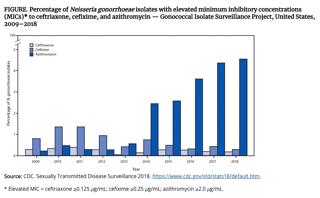
Educational Pearls: The CDC has made new formal recommendations for treating Gonorrhea due to increasing resistance to Rocephin and Azithromycin. New recommendations: Confirmed gonorrhea: Ceftriaxo...

29 Dec 20204min

Podcast 625: High Altitude Cerebral Edema (HACE)

Podcast 625: High Altitude Cerebral Edema (HACE)

Contributor: Tom Seibert, MD Educational Pearls: High altitude cerebral edema (HACE) is the end stage of acute mountain sickness and is diagnosed when patients develop neurologic dysfunction, ataxia,...

28 Dec 20202min

Podcast 624: Timing and Tips on Sepsis

Podcast 624: Timing and Tips on Sepsis

Contributor: Don Stader, MD Educational Pearls: Time can be an important factor in outcomes regarding sepsis including mortality Emphasis has grown on early administration of antibiotics and IV fluid...

22 Dec 20203min

Podcast 623: Acute Mountain Sickness

Podcast 623: Acute Mountain Sickness

Contributor: Tom Seibert, MD Educational Pearls: Acute Mountain sickness (AMS) can cause headache along with fatigue, nausea, vomiting, insomnia Typically occurs above 6500 feet (not 65,000) in eleva...

21 Dec 20204min

Podcast 622: High Altitude Pulmonary Edema (HAPE)

Podcast 622: High Altitude Pulmonary Edema (HAPE)

Contributor: Thomas Seibert, MD Educational Pearls: High Altitude Pulmonary Edema (HAPE) typically occurs 2-4 days after arriving at elevation Symptoms include: Fatigue Dyspnea Cough Treatment in...

15 Dec 20204min

Podcast 621: Pediatric Psychosis

Podcast 621: Pediatric Psychosis

Contributor: Aaron Lessen, MD Educational Pearls: Schizophrenia typically doesn't present until age 13 and has a prodrome Prodrome includes months of gradual changes in behavior, starting with negati...

14 Dec 20203min

Populärt inom Vetenskap

p3-dystopia
svd-nyhetsartiklar
pojkmottagningen
dumma-manniskor
allt-du-velat-veta
det-morka-psyket
rss-experimentet
rss-ufo-bortom-rimligt-tvivel
kapitalet-en-podd-om-ekonomi
paranormalt-med-caroline-giertz
medicinvetarna
rss-vetenskapsradion-2
rss-vetenskapsradion
halsorevolutionen
bildningspodden
dumforklarat
vetenskapsradion
4health-med-anna-sparre
sexet
rss-broccolipodden-en-podcast-som-inte-handlar-om-broccoli