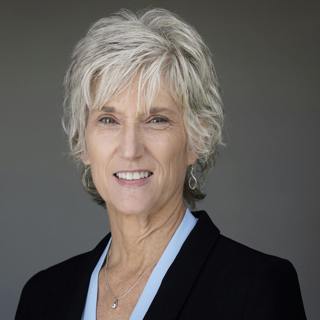
Ep. 496 Ensuring Safety and Quality in ASCs with Kristen Richards
Interested in setting up an Ambulatory Surgery Center (ASC) or Outpatient Based Lab (OBL)? Special guest Kristen Richards sits down with host Dr. Aaron Fritts to discuss the importance of establishing and tracking safety and quality metrics in the outpatient space to achieve success. Kristen is Vice President of Ambulatory Care at Cardiovascular Logistics in Chicago, IL. --- This podcast is supported by: Philips Image Guided Therapy Solutions https://www.usa.philips.com/healthcare/solutions/image-guided-therapy/all-products --- SYNPOSIS Kristen shares insights from her experience in the cardiovascular ambulatory space, highlighting the necessity of patient safety, efficient care, and the benefits of outpatient settings over hospital environments. Patient selection, infection control, staff and physician satisfaction, economic drivers, and the future outlook for cardiovascular procedures in ASCs are some of the key topics discussed. Kristen also emphasizes the need for continuous data tracking to demonstrate and improve the quality of care provided in these centers. --- TIMESTAMPS 00:00 - Introduction 06:25 - Benefits of Out-of-Hospital Care 17:47 - Financial Incentives and Ownership Models 18:17 - Technological Advancements and Cost Reduction 25:00 - Considerations for Opening an ASC 31:58 - Importance of Quality Metrics --- RESOURCES BackTable VI Podcast Episode #366 Navigating OBL & ASC Business: Pitfalls to Avoid with Teri Yates https://www.backtable.com/shows/vi/podcasts/366/navigating-obl-asc-business-pitfalls-to-avoid BackTable VI Podcast Episode #431 OBL or ASC for Your Private Practice? How to Decide with Teri Yates https://www.backtable.com/shows/vi/podcasts/431/obl-or-asc-for-your-private-practice-how-to-decide BackTable VI Podcast Episode #431 OBL or ASC for Your Private Practice? How to Decide with Teri Yates https://www.backtable.com/shows/vi/podcasts/486/winning-the-revenue-cycle-game Outpatient Endovascular and Interventional Society (OEIS) 2025 Conference: https://oeisweb.com/ Cardiovascular Business: https://cardiovascularbusiness.com/ SCAI: https://scai.org/ --- DISCLAIMER Kristen Richards is a consultant for Philips. She has been compensated by Philips for their services in preparing and presenting this material. The opinions and clinical expertise presented herein by are specific to the featured speakers and are for informational purposes only. The results from their experiences may not be predicative for all subject, physicians or patients. Individual results may vary depending on a variety of patient-specific attributes and related factors. Nothing in this article is intended to provide specific medical advice or to take the place of written law or regulations.
19 Nov 202436min
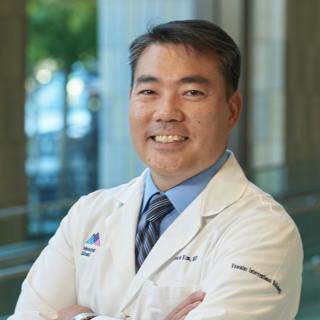
Ep. 495 Microwave Ablation Techniques: Dr. Ed Kim's Approach
Is your microwave ablation technique up to date? Dr. Ed Kim sits down with guest-host Dr. Kavi Krishnasamy to explore cutting-edge techniques in tumor ablation, with a focus on hepatocellular carcinoma (HCC) treatment with microwave. Dr. Ed Kim is the Director of Interventional Oncology and Professor of Radiology and Surgery in the Division of Vascular and Interventional Radiology at the Mount Sinai Medical Center. --- This podcast is supported by an educational grant from Varian, a Siemens Healthineers company. --- SYNPOSIS The doctors discuss microwave ablation, radiation segmentectomy, and the decision-making algorithms for choosing appropriate procedures based on lesion characteristics. Dr. Kim touches on the complexities of ablation near the diaphragm and subcapsular lesions, emphasizing the impact of practitioner skill and experience on outcomes. Recent advancements in ablation technologies, software, and device-specific versus device-agnostic applications are also highlighted, along with the importance of post-contrast scans and ultrasound skills. Dr. Kim also delves into emerging technologies such as HistoSonics, augmented reality/virtual reality, and immunotherapy synergies. The doctors underscore the need for a multidisciplinary approach for optimizing patient outcomes and pushing the field toward future innovations. --- TIMESTAMPS 00:00 - Introduction 04:28 - Standardizing Ablation Algorithms 07:51 - Suboptimal Lesion Locations 13:06 - Device Selection and Properties 22:49 - Ablation Planning Software 32:53 - Real-Time Visualization 44:48 - Biopsy and Ablation Techniques 52:14 - Future of Ablation Technology --- RESOURCES Dr. Ed Kim’s Publications: https://scholars.mssm.edu/en/persons/edward-kim ACCLAIM Trial: https://www.sio-central.org/ACCLAIM-Trial A multicenter randomized controlled trial to evaluate the efficacy of surgery versus radiofrequency ablation for small hepatocellular carcinoma (SURF trial): Analysis of overall survival: https://ascopubs.org/doi/10.1200/JCO.2021.39.15_suppl.4093 Surgery versus thermal ablation for small-size colorectal liver metastases (COLLISION): An international, multicenter, phase III randomized controlled trial. https://ascopubs.org/doi/10.1200/JCO.2024.42.17_suppl.LBA3501 SIR welcomes results of COLLISION Trial, presented at the 2024 ASCO Annual Meeting: https://www.sirweb.org/media-and-pubs/media/news-release-archive/collision-trial-06032024/ HistoSonics: https://histosonics.com/
12 Nov 202459min
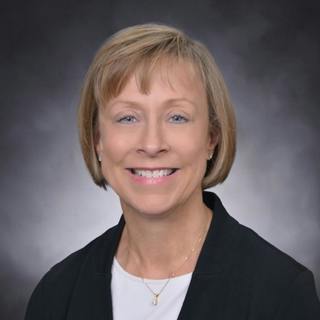
Ep. 494 Multidisciplinary Cancer Care: Lynn's Chemoembolization and More with Lynn Lazzaro
How do interventional oncologists fit into the bigger picture of multidisciplinary cancer care? Today we hear the patient’s perspective from Lynn Lazzaro, a liver cancer survivor who underwent multiple interventional oncology procedures prior to liver resection and eventual transplant. Lynn sits down with host Dr. Eric Keller to discuss her journey from initial diagnosis to present day. --- This podcast was developed in collaboration with: Interventional Initiative https://theii.org/ --- SYNPOSIS Lynn provides insights on the importance of patient self-advocacy, seeking second opinions, and the benefits of a multidisciplinary approach when fighting cancer. Lynn encourages patients to be informed, ask questions, and connect with mentors, while also emphasizing the important duty physicians have in humanizing patient care. Her story highlights resilience, the value of teamwork among medical specialists, and the transformative potential of minimally invasive procedures. --- TIMESTAMPS 00:00 - Introduction 02:22 - Multidisciplinary Management 06:59 - Navigating TACE and Support Systems 13:39 - Surgical Interventions and Transplant Journey 19:09 - Reflections and Advice for Patients and Clinicians 26:13 - Conclusion --- RESOURCES The Interventional Initiative: https://theii.org/ The Cholangiocarcinoma Foundation: https://cholangiocarcinoma.org/
8 Nov 202430min
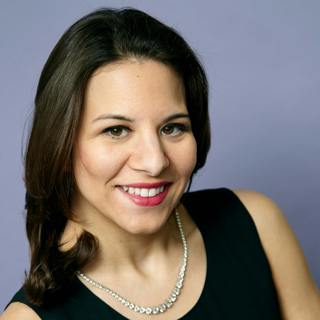
Ep. 493 Jillian’s Fight to Restore Blood Flow-A Long COVID Journey
How can interventional radiologists help patients with long COVID? Today we hear directly from Jillian Angeline, a long COVID survivor that benefited tremendously from minimally invasive interventional care. Jillian sits down with host Dr. Eric Keller, and shares how interventional radiologist Dr. Brooke Spencer helped get her life back by turning the tide against her long-haul COVID symptoms which had been ongoing for multiple years. --- This podcast was developed in collaboration with: Interventional Initiative https://theii.org/ --- SYNPOSIS Jillian shares her challenging journey from being an extremely active individual to barely being able to walk, due to persistent inflammation following COVID-19 infection. After seeing numerous physicians across various states and experiencing dismissal and misdiagnosis, Jillian was finally referred to Dr. Spencer at the MIPS Center in Colorado where she underwent a series of venous interventions that significantly helped her. This episode aims to raise awareness about possible life-changing IR options for patients suffering from long COVID, the importance of patient advocacy, and underscores multidisciplinary collaboration amongst medical professionals. --- TIMESTAMPS 00:00 - Introduction 02:33 - Jillian’s Journey 05:11 - Finding Interventional Radiologist, Dr. Brooke Spencer 08:39 - Venous Interventions 16:03 - Road to Healing 32:21 - Advice for Long COVID Patients --- RESOURCES Dr. Brooke Spencer, MD, FSIR Practice: https://mipscenter.com/about-us/dr-e-brooke-spencer-md-fsir/ The Interventional Initiative: https://theii.org/
1 Nov 202438min
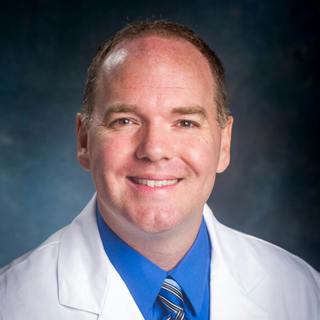
Ep. 492 Renal Tumor Ablations: Technique and Advancements with Dr. AJ Gunn
Looking to enhance your interventional oncology practice with renal tumor ablation? In this episode, host Dr. Don Garbett is joined by Dr. AJ Gunn to discuss the current landscape of renal tumor ablation and Dr. Gunn’s procedural tips for successful outcomes. Dr. Gunn is an interventional radiologist at the University of Alabama at Birmingham, with extensive experience in building service lines, including renal tumor management. --- This podcast is supported by: RADPAD® Radiation Protection https://www.radpad.com/ --- SYNPOSIS The doctors review various scoring systems to predict the risks associated with renal ablation. Dr. Gunn emphasizes that tumor size is the most consistent predictor of procedural complications, local recurrence, and metastasis. He also discusses ablation techniques and proactive steps to avoid complications, such as hydrodissection and the selection of appropriate ablation technology. He employs cryoablation for central renal tumors and large tumors to minimize damage to the collecting system, while using microwave ablation for smaller peripheral lesions. Additionally, prior literature and his personal experience suggest that preoperative embolization may be beneficial for larger hypervascular tumors. Finally, Dr. Gunn speaks about the ongoing Embolization Before Ablation of Renal Cell Carcinoma (EMBARC) study and the importance of sharing knowledge and experiences within the interventional oncology community. --- TIMESTAMPS 00:00 - Introduction 04:24 - Practice Building Philosophy 09:29 - Importance of Clinical Follow Up 12:17 - Predictive Factors of Ablation Success 23:30 - Renal Ablation Technique 31:41 - Embolization Before Ablation 44:13 - The Future of Renal Tumor Treatments --- RESOURCES Percutaneous Cryoablation of Stage T1b Renal Cell Carcinoma: Safety, Technical Results, and Clinical Outcomes (Gunn et al, 2019): https://pmc.ncbi.nlm.nih.gov/articles/PMC8983093/ Should Renal Mass Biopsy Be Performed prior to or Concomitantly with Thermal Ablation? (Chung et al, 2018): https://pubmed.ncbi.nlm.nih.gov/30075976/ EMBARC Trial: https://med.stanford.edu/ir/clinical-trials/embarc.html Society for Interventional Oncology (SIO) Conference: https://www.sio-central.org/Events/Annual-Scientific-Meeting
29 Okt 202452min
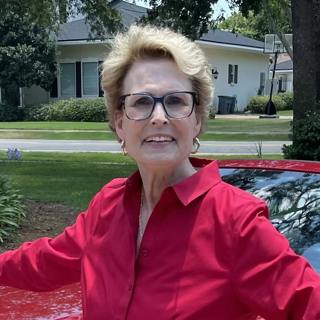
Ep. 491 Surviving Cancer: Suzanne Martin's Radioembolization Journey
As providers, we know firsthand how impactful interventional radiology procedures can be. Today, we hear the perspective of Suzanne Martin, a patient who underwent life-saving radioembolization for stage 4 colorectal cancer. Suzanne shares her story with host Dr. Eric Keller, including how things took a positive turn when she was introduced to interventional radiologist Dr. Charles Nutting after initially undergoing ineffective chemotherapy treatment. --- This podcast was developed in collaboration with: Interventional Initiative https://theii.org/ --- SYNPOSIS Suzanne discusses her role as a motivational speaker and highlights the importance of patient self-advocacy and the collaborative efforts between oncologists and interventional radiologists. This inspiring episode underscores the transformative power of minimally invasive treatments and the significance of hope and teamwork in overcoming cancer. --- TIMESTAMPS 00:00 - Introduction 04:25 - SIR Spheres Procedure 07:10 - Post-Procedure Recovery Experience 09:49 - Long-Term Outcomes and Reflections 17:48 - Advocating for Yourself 19:07 - Finding Support and Hope 23:35 - Advice for Patients and Doctors --- RESOURCES Dr. Charles Nutting Denver Practice: https://www.drnutting.com/ Say Yes to Hope Cancer Support Group: https://www.sayyestohope.org/
25 Okt 202430min
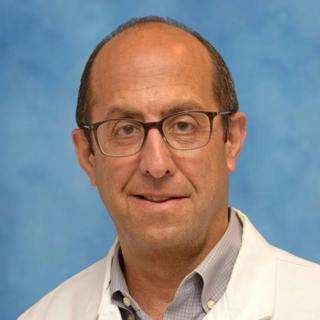
Ep. 490 Uterine Fibroid Embolization: My Algorithm with Dr. Gary Siskin
Get a second opinion on your uterine fibroid embolization (UFE) technique. Dr. Gary Siskin joins host Dr. Chris Beck for an in-depth discussion on his approach to uterine fibroid embolization, detailing techniques, tools, and embolic agents. Dr. Siskin is an experienced UFE practitioner, professor, and Chair of the Department of Radiology and Chief of the Division of Vascular & Interventional Radiology at Albany Med Health System in New York. --- This podcast is supported by: Merit Embolotherapy https://www.merit.com/solutions/embolotherapy/ --- SYNPOSIS Dr. Siskin shares his journey and evolution of his specialization in GYN-related interventional radiology procedures. The doctors cover various aspects of fibroid embolization, including its effectiveness compared to surgical options like myomectomy and hysterectomy, the referral and evaluation process, and considerations for fertility preservation. Pain management strategies and postoperative care are also explored, emphasizing the importance of patient education and interdisciplinary collaboration to promote less invasive treatments. --- TIMESTAMPS 00:00 - Introduction 04:45 - Building a Fibroid Practice 08:35 - Workup and Consultation 17:01 - Recurrence and Re-Embolization 20:27 - Pre-Procedural Workup and Technique 30:18 - Embolization Endpoint 36:07 - Accessing the Correct Uterine Artery 48:49 - Post-Procedure Patient Care --- RESOURCES List of Publications by Dr. James B. Spies (PubMed): https://pubmed.ncbi.nlm.nih.gov/?sort=jour&term=Spies+JB&cauthor_id=24436560
22 Okt 202457min

Ep. 489 Improving Public Awareness of Interventional Radiology with Dr. Mina Makary
Historically, public recognition and understanding of IR has been limited, with a significant portion of patients unaware of interventional procedures and the field as a whole. How can we improve awareness of IR and minimally invasive treatment options? Dr. Mina Makary discusses this and his recent study on public perceptions of IR, with host Dr. Michael Barraza. Dr. Makary is a vascular and interventional radiologist and an Associate Professor of Radiology at The Ohio State University. --- This podcast is supported by: PearsonRavitz https://pearsonravitz.com/backtable --- SYNPOSIS Dr. Makary states that less than half of the public believes IRs are physicians, highlighting a knowledge gap with potentially significant implications for patient care and treatment decisions. The doctors delve into possible solutions to address this issue, including educational interventions targeting both the public and healthcare providers, the potential impact of name recognition on public perception, and methods to enhance IR awareness through media and direct engagement with primary care providers. The episode also emphasizes the need for ongoing research and efforts to improve understanding and recognition of IR to ensure patients have informed medical options. --- TIMESTAMPS 00:00 - Introduction 03:23 - Study Methodology and Findings 08:13 - Challenges and Solutions in IR Awareness 10:23 - Impact of IR Procedures on Public Perception 15:16 - Future Research and Awareness Efforts 23:40 - Conclusions --- RESOURCES 2023 Paper - Public Awareness of Interventional Radiology: Population-Based Analysis of the Current State of and Pathways for Improvement: https://pubmed.ncbi.nlm.nih.gov/36764444/ 2019 Paper - Primary Care Provider Awareness of IR: A Single-Center Analysis: https://pubmed.ncbi.nlm.nih.gov/31235412/ 2024 Paper - Impact of Educational Videos on Patient Understanding of Interventional Radiology Procedures: https://pubmed.ncbi.nlm.nih.gov/39198139/ BackTable VI Podcast Episode #454 - Moral Injury in Interventional Radiology with Dr. Mina Makary and Dr. Jeffrey Chick: https://www.backtable.com/shows/vi/podcasts/454/moral-injury-in-interventional-radiology BackTable VI Podcast Episode #195 - Disclosures of Conflicts of Interest with Dr. Mina Makary: https://www.backtable.com/shows/vi/podcasts/195/disclosures-of-conflicts-of-interest BackTable VI Podcast Episode #62 - Protect Yourself Before You Wreck Yourself with Dr. Mina Makary: https://www.backtable.com/shows/vi/podcasts/62/protect-yourself-before-you-wreck-yourself
18 Okt 202428min