More than a Mud Puddle: The Exciting World of Vernal Pools

More than a Mud Puddle: The Exciting World of Vernal Pools

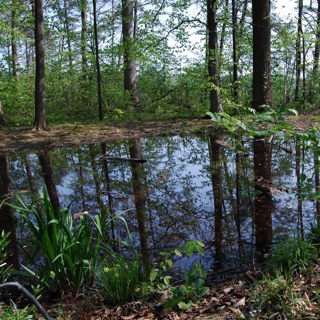
Vernal pools are a special type of shallow wetlands that fill with snow melt and rain in late fall through early spring, then dry up sometime during the summer. Because they dry up, they are sometimes overlooked or dismissed as "not very good wetlands." However, they serve an important role in the ecosystem and can be teeming with all kinds of life.

In this episode, we talk with Tom Biebighauser about vernal pools. Tom is a wildlife biologist, wetland ecologist, educator, and author. He has written multiple books about vernal pools and has made a career of restoring and creating wetlands. Throughout our conversation, Tom shares many stories about creating vernal pools on his own property, on other people's properties, and at schools.

Almost by definition, vernal pools don't contain fish, because fish wouldn't be able to survive when the vernal pool dries up. However, because they don't have fish, vernal pools are extremely important breeding sites for frogs, toads, salamanders, and many aquatic invertebrates. In more permanent bodies of water, those animals and their eggs, tadpoles, and larva would face a significant threat of being eaten by hungry fish, but that's obviously not a risk in a place where there aren't any fish.

In many states, 90% of our wetlands have been drained and filled. This is especially true for vernal pools, probably because they do dry out for part of the year. Vernal pools are often relatively small – sometimes only the size of a living room or even smaller. They are also very shallow, usually only inches to maybe a foot or so deep, and have gently sloping sides.

One of the reasons that wetlands are often drained is for mosquito control. However, mosquitoes typically aren't a problem around vernal pools because the mosquito eggs and larvae are eaten by everything that is in the vernal pool. If a vernal pool or wetland holds water for more than a couple of months then it will attract frogs, dragonflies, damselflies, and other mosquito predators.

Many people are probably familiar with the concept of rain gardens and may even have a rain garden already. However, vernal pools differ from rain gardens in that vernal pools hold water for several months, while rain gardens go dry much faster. Because rain gardens typically only hold water for a few hours to a few days, they don't develop the complex ecosystems of a vernal pool.

There are lots of opportunities to create vernal pools around our homes, on our school grounds, or in other places within our communities. The cost of creating a vernal pool can range from practically nothing, to a few hundred dollars, to several thousand dollars, depending on the size of the vernal pool you want to create, the type of soil you have, and how much labor you want to do yourself. However, in many cases there are funds available to help cover the costs of creating vernal pools or other shallow wetlands. Tom has written several books that walk you through how to create vernal pools. His books plus lots of free resources and guides are available through his website.

Links:

Episode image:

  • Vernal pool created at McBrayer Elementary school
  • Photo credit: Thomas Biebighauser

Avsnitt(115)

Growing Native Plants in Small Yards

Growing Native Plants in Small Yards

I am frequently asked about growing native plants in small spaces or in typical suburban yards with HOA or city ordnances. And I'm not the only one who's getting those questions. I hear and see those ...

1 Apr 202157min
Flower Flies or Hover Flies: Bee Mimic Extraordinaires

Flower Flies or Hover Flies: Bee Mimic Extraordinaires

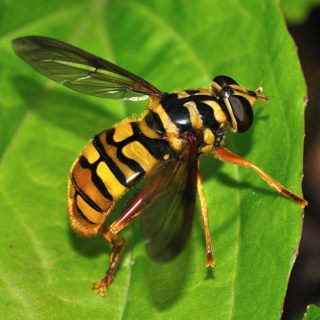
Flower flies, a.k.a. hover flies, are common garden visitors, but they are often overlooked. The reason they are so often overlooked is because they are extraordinary mimics, usually of bees or wasps....

25 Mars 20211h 9min
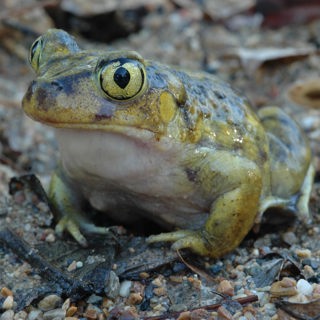
The Fascinating World of Frogs and Toads in the Eastern U.S.

The Fascinating World of Frogs and Toads in the Eastern U.S.

Frogs and toads are so much fun to observe and learn about. In the eastern U.S. we are lucky because we have enough water that they can be found virtually anywhere. Some species may be very specific i...

18 Mars 20211h 7min
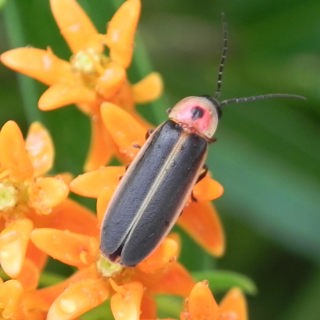
Lightning bugs and Fireflies – A conversation with Lynn Faust, Part 2

Lightning bugs and Fireflies – A conversation with Lynn Faust, Part 2

This week's episode of the Backyard Ecology podcast is the conclusion of our conversation with Lynn Faust. Lynn is the author of Fireflies, Glow-worms, and Lightning Bugs: Identification and Natural H...

11 Mars 202150min
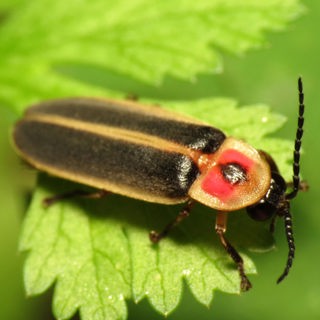
Lightning bugs and Fireflies: A conversation with Lynn Faust, Part 1

Lightning bugs and Fireflies: A conversation with Lynn Faust, Part 1

For many of us in the eastern U.S., warm spring and summer nights are characterized by the methodical flashing of fireflies and lightning bugs. Fireflies and lightning bugs are exactly the same thing....

4 Mars 202150min
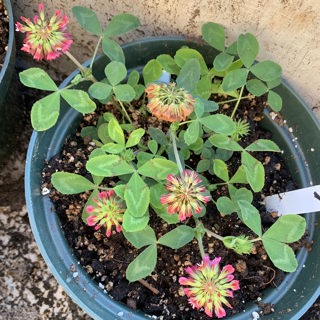
Clovers! Native Clover Conservation, Clover Yards, and More

Clovers! Native Clover Conservation, Clover Yards, and More

Clovers are often suggested for lawn alternatives or for incorporating into our yards to make them more pollinator friendly. Clovers can also play important roles in agriculture either in grazing syst...

25 Feb 20211h 6min
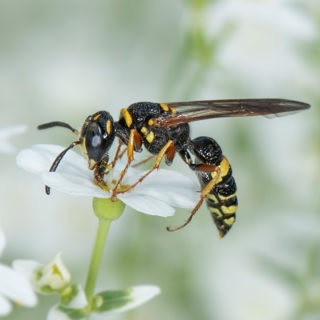
Wasps: Victims of an Often Undeserved Reputation

Wasps: Victims of an Often Undeserved Reputation

Like many people, I grew up with a healthy…. apprehension (ok, fear) of wasps. And, of course, I've seen all the memes on social media vilifying wasps and calling them names that I'm not going to repe...

18 Feb 20211h 4min

Populärt inom Vetenskap

p3-dystopia
svd-nyhetsartiklar
dumma-manniskor
kapitalet-en-podd-om-ekonomi
allt-du-velat-veta
doden-hjarnan-kemisten
rss-ufo-bortom-rimligt-tvivel-2
rss-vetenskapsradion-2
rss-vetenskapsradion
det-morka-psyket
bildningspodden
sexet
medicinvetarna
paranormalt-med-caroline-giertz
rss-spraket
har-vi-akt-till-mars-an
rss-experimentet
dumforklarat
barnpsykologerna
rss-tidsmaskinen