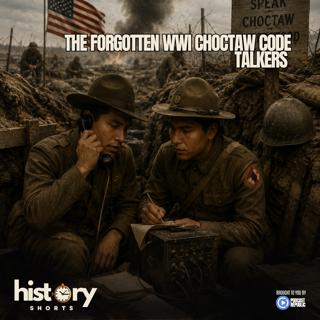
The Forgotten WWI Choctaw Code Talkers
Everyone knows the story of the Navajo Code Talkers in World War II. Far fewer know that the first Native American code talkers helped change the course of a war more than two decades earlier. In this...
23 Juli 0s
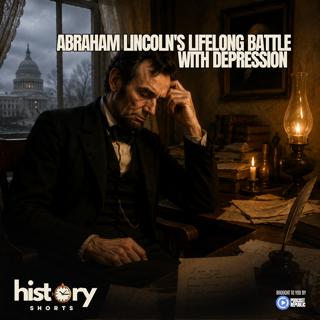
Abraham Lincoln's Lifelong Battle with Depression
In 1841, a thirty-one-year-old lawyer from Illinois wrote a heartbreaking letter to his law partner: "I am now the most miserable man living." That lawyer was Abraham Lincoln. Long before he became on...
22 Juli 0s
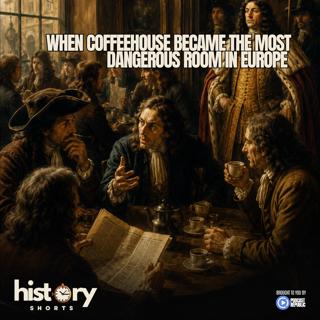
When the Coffeehouse Became the Most Dangerous Room in Europe
In 1675, King Charles II of England declared war on an unlikely enemy: the coffeehouse. These weren't taverns or gambling halls—they were places where ordinary people gathered to read newspapers, exch...
21 Juli 0s

THE HISTORIANS #2 - How "Wild" was the Wild West? I Paul Andrew Hutton & Mark Lee Gardner
Welcome back to THE HISTORIANS — the series here on History Shorts where I sit down with two leading historians for an unscripted conversation about the questions that have shaped how we understand ou...
20 Juli 36min
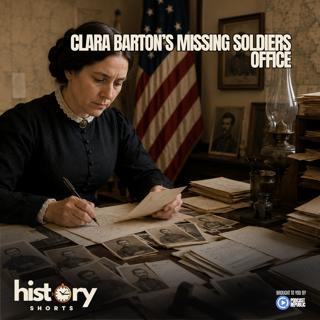
Clara Barton's Missing Soldiers Office
When the American Civil War ended, the fighting was over—but for thousands of families, the agony had only just begun. Sons, husbands, and brothers had vanished without a trace, leaving loved ones des...
19 Juli 13min
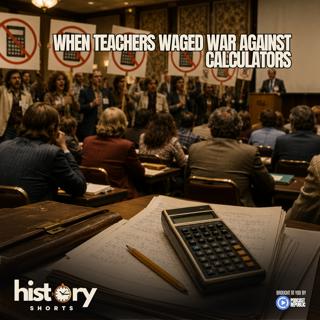
When Teachers Waged War Against Calculators
In the 1970s, a tiny electronic device sparked one of the most unexpected battles in education. It wasn't over politics, funding, or curriculum. It was over whether students should be allowed to use c...
18 Juli 15min
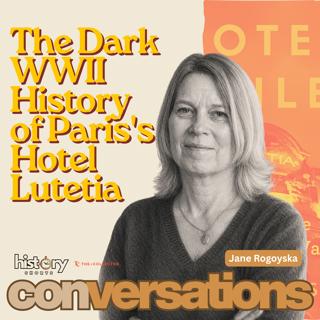
The Dark WWII History of Paris's Hotel Lutetia, w/ Jane Rogoyska
I'm delighted to be joined by acclaimed historian and author Jane Rogoyska. In her powerful new book, Hotel Exile: Paris in the Shadow of War, Jane tells the extraordinary true story of one iconic Par...
17 Juli 26min
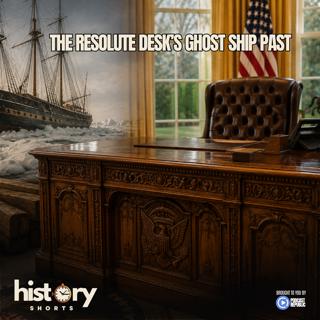
The Resolute Desk's Ghost Ship Past
One of the most famous pieces of furniture in the world wasn't built for a president. It was built from the timbers of a ship that refused to die. In this episode of History Shorts, we uncover the rem...
16 Juli 13min