Navigating Take Home Naloxone: An Antidote for Opioid Toxicity
Cracking Addiction8 Marras 2023

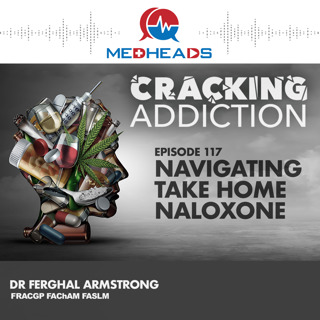
Navigating Take Home Naloxone: An Antidote for Opioid Toxicity

Dr. Ferghal Armstrong discusses the importance and impact of take-home naloxone with experts Jeremy Szmerling and Dr. Suzanne Neilsen. They explain what take-home naloxone is and its role as an opioid antagonist in combating opioid toxicity, including both heroin and prescription opioid overdoses. They debunk common misconceptions and address barriers to its usage. The episode provides valuable insights for clinicians and highlights the need for wider availability and education around take-home naloxone.

Learning Outcomes:

1. Understand the purpose and availability of take-home naloxone: Take-home naloxone is an opioid antagonist that can be self-administered by a patient using formulations available at pharmacies. It is classified as a pharmacist-only medication and can be dispensed without a prescription.

2. Recognize the importance of take-home naloxone in combating opioid toxicity: Opioid toxicity can lead to serious side effects, including sedation, constipation, nausea, and even respiratory failure and death. Take-home naloxone acts as an antidote to reverse opioid overdoses, making it crucial in saving lives.

3. Dispelling myths and addressing stigma: Despite prevalent misconceptions, studies have shown that providing naloxone does not promote riskier behaviour or increase opioid use. It actually reduces the risks associated with opioid use. It is important for healthcare providers to offer naloxone without stigma to anyone at risk of an opioid overdose.

Actionable Takeaways:

1. Healthcare providers should be aware of the availability of take-home naloxone and its importance in preventing opioid overdoses. They should be prepared to offer and educate patients at risk, regardless of whether they use illicit or prescribed opioids.

2. Language and approach matter: When discussing naloxone with patients, it is crucial to use appropriate language and consider the individual's background and context. Starting with terms like "overdose" or "opioid toxicity" can vary based on the patient's familiarity and comfort level.

3. Overcoming barriers: Clinicians should feel confident in identifying individuals who would benefit from naloxone training and delivery. Offering naloxone to a broad population, rather than selectively targeting high-risk individuals, can lead to more lives being saved.

Quote: "Giving naloxone reduces the risks that people take... providing naloxone, providing education about what an overdose is and how to reverse it, is only going to help someone reduce their risk." - Dr. Suzanne Neilsen

Jaksot(238)

Addiction Is a Brain Disorder, Not a Character Flaw - Addiction Basics EP1

Addiction Is a Brain Disorder, Not a Character Flaw - Addiction Basics EP1

Addiction isn’t a failure of willpower — it’s a brain disorder.And misunderstanding that fact has cost millions of people their recovery.In Part 1 of this 10-part series, you’ll finally understand wha...

6 Helmi 4min
Smoking During Recovery Might Be Your Biggest Mistake

Smoking During Recovery Might Be Your Biggest Mistake

What if quitting smoking is the fastest way to strengthen addiction recovery?That sounds backwards… but the science says otherwise.For decades, addiction treatment has repeated the same advice: deal w...

28 Tammi 3min
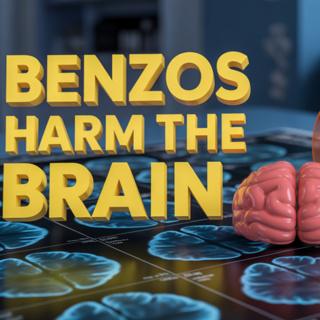
They never told us benzos do this to your brain

They never told us benzos do this to your brain

These drugs calm your brain—but what if they’re silently increasing your stroke risk?For decades, benzodiazepines like Valium and Xanax were seen as safe, even neuroprotective. Doctors believed that b...

21 Tammi 3min
Is Any Amount of Alcohol Actually Safe? The Science Says No

Is Any Amount of Alcohol Actually Safe? The Science Says No

For decades, alcohol has enjoyed a surprising reputation as a health booster—especially red wine. You’ve heard the claims: stronger hearts, longer life, protection against dementia. But when you dig i...

14 Tammi 4min
The Truth About Kava: Benzodiazepine Effects Nobody Explains

The Truth About Kava: Benzodiazepine Effects Nobody Explains

In this episode, we explore "kava kava," a traditional Pacific plant with anxiolytic effects similar to low-dose benzodiazepines. We discuss its active compounds, kavalactones, and how they contribute...

7 Tammi 3min
The Brain Pattern That Shows Addiction Risk Years in Advance

The Brain Pattern That Shows Addiction Risk Years in Advance

Can a brain scan predict addiction risk BEFORE first use? 🚨Most people think substances change the brain after experimentation.But this episode flips the script.In Cracking Addiction, Dr. Ferghal Arm...

1 Tammi 4min
Kava in Australia: Natural Calm or Silent Liver Damage?

Kava in Australia: Natural Calm or Silent Liver Damage?

Kava is everywhere… but is it silently damaging your patients’ livers?Kava is now turning up in Australian pharmacies, health food stores and online — marketed as a “natural” fix for anxiety, stress a...

28 Joulu 20254min
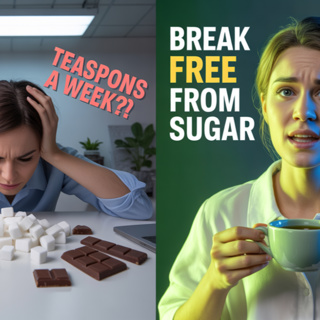
How to Cut Sugar by 78% in 30 Days

How to Cut Sugar by 78% in 30 Days

How to Cut Sugar by 78% in 30 Days.Sugar is hijacking your brain — but you can take control back faster than you think.Most people want to quit sugar… but at 3 p.m., stressed and tired, the biscuits i...

12 Joulu 20253min

Suosittua kategoriassa Terveys ja hyvinvointi

unicast
rss-hanna-tikander
rss-pitaisko-erota
voi-hyvin-meditaatiot-2
tiedenaiset-podcast
psykopodiaa-podcast
rss-narsisti
rss-kuumilla-aalloilla
vakeva-elama-viisaampi-mieli-vahvempi-keho
rss-pt-paahtio
puhu-muru
meditaatiot-suomeksi
terapiassa
junnut-pelissa
rss-kyykkya-ja-kuoharia
fitnessvastaanotto
selviytyjat-tarinoita-elamasta
katilon-kahvitunti
rss-seuraava-potilas
rss-piia-ja-betti