#175 – Lucia Coulter on preventing lead poisoning for $1.66 per child

#175 – Lucia Coulter on preventing lead poisoning for $1.66 per child

Lead is one of the most poisonous things going. A single sugar sachet of lead, spread over a park the size of an American football field, is enough to give a child that regularly plays there lead poisoning. For life they’ll be condemned to a ~3-point-lower IQ; a 50% higher risk of heart attacks; and elevated risk of kidney disease, anaemia, and ADHD, among other effects.

We’ve known lead is a health nightmare for at least 50 years, and that got lead out of car fuel everywhere. So is the situation under control? Not even close.

Around half the kids in poor and middle-income countries have blood lead levels above 5 micrograms per decilitre; the US declared a national emergency when just 5% of the children in Flint, Michigan exceeded that level. The collective damage this is doing to children’s intellectual potential, health, and life expectancy is vast — the health damage involved is around that caused by malaria, tuberculosis, and HIV combined.

This week’s guest, Lucia Coulter — cofounder of the incredibly successful Lead Exposure Elimination Project (LEEP) — speaks about how LEEP has been reducing childhood lead exposure in poor countries by getting bans on lead in paint enforced.

Links to learn more, summary, and full transcript.

Various estimates suggest the work is absurdly cost effective. LEEP is in expectation preventing kids from getting lead poisoning for under $2 per child (explore the analysis here). Or, looking at it differently, LEEP is saving a year of healthy life for $14, and in the long run is increasing people’s lifetime income anywhere from $300–1,200 for each $1 it spends, by preventing intellectual stunting.

Which raises the question: why hasn’t this happened already? How is lead still in paint in most poor countries, even when that’s oftentimes already illegal? And how is LEEP able to get bans on leaded paint enforced in a country while spending barely tens of thousands of dollars? When leaded paint is gone, what should they target next?

With host Robert Wiblin, Lucia answers all those questions and more:

  • Why LEEP isn’t fully funded, and what it would do with extra money (you can donate here).
  • How bad lead poisoning is in rich countries.
  • Why lead is still in aeroplane fuel.
  • How lead got put straight in food in Bangladesh, and a handful of people got it removed.
  • Why the enormous damage done by lead mostly goes unnoticed.
  • The other major sources of lead exposure aside from paint.
  • Lucia’s story of founding a highly effective nonprofit, despite having no prior entrepreneurship experience, through Charity Entrepreneurship’s Incubation Program.
  • Why Lucia pledges 10% of her income to cost-effective charities.
  • Lucia’s take on why GiveWell didn’t support LEEP earlier on.
  • How the invention of cheap, accessible lead testing for blood and consumer products would be a game changer.
  • Generalisable lessons LEEP has learned from coordinating with governments in poor countries.
  • And plenty more.

Producer and editor: Keiran Harris
Audio Engineering Lead: Ben Cordell
Technical editing: Milo McGuire and Dominic Armstrong
Transcriptions: Katy Moore

Jaksot(332)

#105 – Alexander Berger on improving global health and wellbeing in clear and direct ways

#105 – Alexander Berger on improving global health and wellbeing in clear and direct ways

The effective altruist research community tries to identify the highest impact things people can do to improve the world. Unsurprisingly, given the difficulty of such a massive and open-ended project,...

12 Heinä 20212h 54min

#104 – Pardis Sabeti on the Sentinel system for detecting and stopping pandemics

#104 – Pardis Sabeti on the Sentinel system for detecting and stopping pandemics

When the first person with COVID-19 went to see a doctor in Wuhan, nobody could tell that it wasn’t a familiar disease like the flu — that we were dealing with something new. How much death and destru...

29 Kesä 20212h 20min
#103 – Max Roser on building the world's best source of COVID-19 data at Our World in Data

#103 – Max Roser on building the world's best source of COVID-19 data at Our World in Data

History is filled with stories of great people stepping up in times of crisis. Presidents averting wars; soldiers leading troops away from certain death; data scientists sleeping on the office floor t...

21 Kesä 20212h 22min
#102 – Tom Moynihan on why prior generations missed some of the biggest priorities of all

#102 – Tom Moynihan on why prior generations missed some of the biggest priorities of all

It can be tough to get people to truly care about reducing existential risks today. But spare a thought for the longtermist of the 17th century: they were surrounded by people who thought extinction w...

11 Kesä 20213h 56min
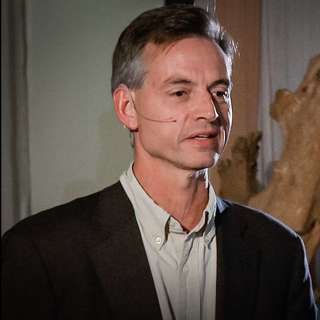
#101 – Robert Wright on using cognitive empathy to save the world

#101 – Robert Wright on using cognitive empathy to save the world

In 2003, Saddam Hussein refused to let Iraqi weapons scientists leave the country to be interrogated. Given the overwhelming domestic support for an invasion at the time, most key figures in the U.S. ...

28 Touko 20211h 36min

#100 – Having a successful career with depression, anxiety and imposter syndrome

#100 – Having a successful career with depression, anxiety and imposter syndrome

Today's episode is one of the most remarkable and really, unique, pieces of content we’ve ever produced (and I can say that because I had almost nothing to do with making it!). The producer of this ...

19 Touko 20212h 51min
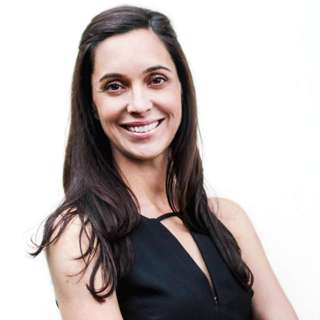
#99 – Leah Garcés on turning adversaries into allies to change the chicken industry

#99 – Leah Garcés on turning adversaries into allies to change the chicken industry

For a chance to prevent enormous amounts of suffering, would you be brave enough to drive five hours to a remote location to meet a man who seems likely to be your enemy, knowing that it might be an a...

13 Touko 20212h 26min
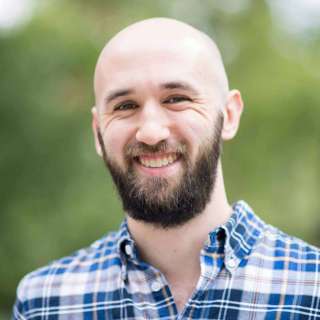
#98 – Christian Tarsney on future bias and a possible solution to moral fanaticism

#98 – Christian Tarsney on future bias and a possible solution to moral fanaticism

Imagine that you’re in the hospital for surgery. This kind of procedure is always safe, and always successful — but it can take anywhere from one to ten hours. You can’t be knocked out for the operati...

5 Touko 20212h 38min

Suosittua kategoriassa Koulutus

rss-murhan-anatomia
psykopodiaa-podcast
voi-hyvin-meditaatiot-2
adhd-podi
psykologia
rss-tietoinen-yhteys-podcast-2
rss-valo-minussa-2
rss-rahamania
rss-niinku-asia-on
kesken
rss-liian-kuuma-peruna
rss-arkea-ja-aurinkoa-podcast-espanjasta
rss-vapaudu-voimaasi
rahapuhetta
dear-ladies
rss-uskonto-on-tylsaa
rss-narsisti
rss-hereilla
koodikahvit
aamukahvilla