
#25 - Robin Hanson on why we have to lie to ourselves about why we do what we do
On February 2, 1685, England’s King Charles II was struck by a sudden illness. Fortunately his physicians were the best of the best. To reassure the public they kept them abreast of the King’s treatme...
28 Maalis 20182h 39min
#24 - Stefan Schubert on why it’s a bad idea to break the rules, even if it’s for a good cause
How honest should we be? How helpful? How friendly? If our society claims to value honesty, for instance, but in reality accepts an awful lot of lying – should we go along with those lax standards? Or...
20 Maalis 201855min
#23 - How to actually become an AI alignment researcher, according to Dr Jan Leike
Want to help steer the 21st century’s most transformative technology? First complete an undergrad degree in computer science and mathematics. Prioritize harder courses over easier ones. Publish at lea...
16 Maalis 201845min
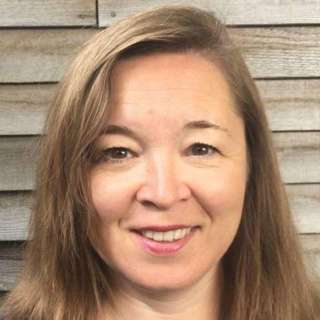
#22 - Leah Utyasheva on the non-profit that figured out how to massively cut suicide rates
How people kill themselves varies enormously depending on which means are most easily available. In the United States, suicide by firearm stands out. In Hong Kong, where most people live in high rise ...
7 Maalis 20181h 8min

#21 - Holden Karnofsky on times philanthropy transformed the world & Open Phil’s plan to do the same
The Green Revolution averted mass famine during the 20th century. The contraceptive pill gave women unprecedented freedom in planning their own lives. Both are widely recognised as scientific breakthr...
27 Helmi 20182h 35min
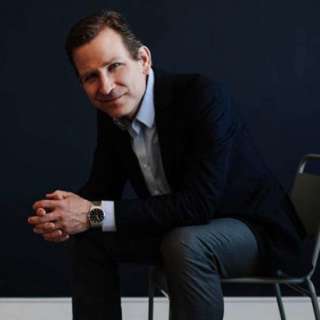
#20 - Bruce Friedrich on inventing outstanding meat substitutes to end speciesism & factory farming
Before the US Civil War, it was easier for the North to morally oppose slavery. Why? Because unlike the South they weren’t profiting much from its existence. The fight for abolition was partly won bec...
19 Helmi 20181h 18min
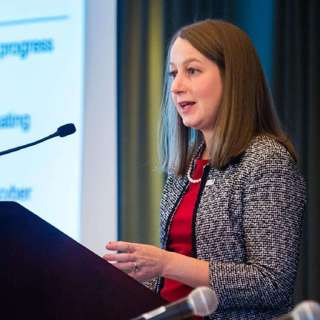
#19 - Samantha Pitts-Kiefer on working next to the White House trying to prevent nuclear war
Rogue elements within a state’s security forces enrich dozens of kilograms of uranium. It’s then assembled into a crude nuclear bomb. The bomb is transported on a civilian aircraft to Washington D.C, ...
14 Helmi 20181h 4min
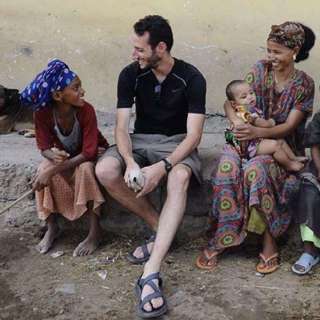
#18 - Ofir Reich on using data science to end poverty & the spurious action-inaction distinction
Ofir Reich started out doing math in the military, before spending 8 years in tech startups - but then made a sharp turn to become a data scientist focussed on helping the global poor. At UC Berkeley...
31 Tammi 20181h 18min