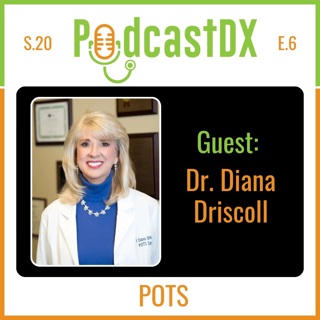

Understanding POTS with Dr. Diana Driscoll
PodcastDX9 Syys 2025

Understanding POTS with Dr. Diana Driscoll

This Week on PodcastDX: Understanding POTS with Dr. Diana Driscoll

This week we are honored to welcome none other than Dr. Diana Driscoll, a world-renowned authority on the autonomic nervous system. An optometrist and Fellow of the American Academy of Optometry (FAAO), Dr. Driscoll is internationally recognized for her groundbreaking research on Postural Orthostatic Tachycardia Syndrome (POTS) and other conditions once thought to be "invisible."

Dr. Driscoll has dedicated her career to improving the lives of those affected by autonomic disorders. Her journey began as a patient herself, battling POTS. Frustrated by the lack of answers, she self-funded much of her research to accelerate progress for patients today. That personal fight has fueled over a decade of innovation in diagnosis and treatment strategies that are transforming patient care.

In this episode, we explore her unique perspective as both a former patient and a leading researcher. Dr. Driscoll shares her story, her research, and her vision for the future of POTS treatment.

What is Postural Orthostatic Tachycardia Syndrome (POTS)?

POTS is a form of orthostatic intolerance that causes the heart to beat abnormally fast when moving from sitting or lying down to standing up. Breaking down the name helps explain the condition:

• Postural: Related to body position
• Orthostatic: Related to standing upright
• Tachycardia: A heart rate above 100 beats per minute
• Syndrome: A collection of symptoms occurring together

Normally, the autonomic nervous system keeps heart rate and blood pressure stable regardless of position. In POTS, that balance is disrupted. The body struggles to constrict blood vessels and regulate heart rate properly, leading to dizziness, lightheadedness, fainting, fatigue, and more.

Who Does POTS Affect?

POTS affects an estimated 1 to 3 million Americans, most often women between the ages of 15 and 50. However, men can develop the condition as well.

Risk factors include:
• Viral or serious infections (such as mononucleosis)
• Pregnancy
• Physical trauma or surgery
• Certain autoimmune conditions (e.g., Sjögren's syndrome, lupus, celiac disease)

How Does POTS Affect the Body?

When standing, gravity naturally pulls 10–15% of blood into the lower body. Normally, leg muscles and hormonal responses (like the release of epinephrine and norepinephrine) help keep blood circulating back to the brain and heart.

For people with POTS, too much blood pools below the heart. Their blood vessels don't constrict properly, forcing the heart to compensate by racing. This imbalance causes hallmark symptoms such as dizziness, exhaustion, brain fog, and even fainting.

While POTS is not life-threatening, it can be life-altering. Daily tasks may become difficult, and symptoms often fluctuate over time. The good news: with the right combination of dietary adjustments, medications, and physical activity, many people experience meaningful improvements in their quality of life.

Learn More

Join us as Dr. Diana Driscoll shares her remarkable journey, her patient-centered research, and her continuing mission to bring visibility and solutions to the millions living with POTS.

Tämä jakso on lisätty Podme-palveluun avoimen RSS-syötteen kautta eikä se ole Podmen omaa tuotantoa. Siksi jakso saattaa sisältää mainontaa.

Jaksot(440)

EECP The Most Underutilized Therapy in Medicine

EECP The Most Underutilized Therapy in Medicine

Retired U.S. Coast Guard Master Chief Petty Officer Jack Clifford joins PodcastDX to share how severe chronic angina once limited even everyday activities and left him facing the possibility of triple...

25 Elo 44min
Diary of An Epileptic

Diary of An Epileptic

In this episode of PodcastDX, we speak with Allany Muniz, founder of Diary of an Epileptic, about the realities of living with epilepsy beyond what most people see. Allany shares how her diagnosis cha...

18 Elo 28min

Memory Villages

Memory Villages

Memory Villages explores the promise and the questions surrounding dementia villages—care communities designed to feel more like neighborhoods than institutions. We discuss how familiar surroundings, ...

11 Elo 17min
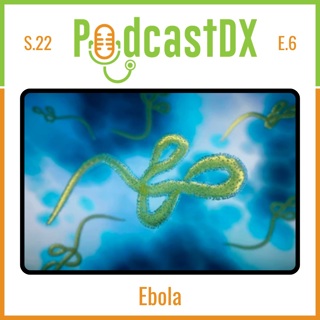
Ebola

Ebola

In this PodcastDX episode, Lita and Jean Marie unpack Ebola as a severe but not casually spread viral disease, explaining that infection requires direct contact with blood or other body fluids or cont...

4 Elo 23min
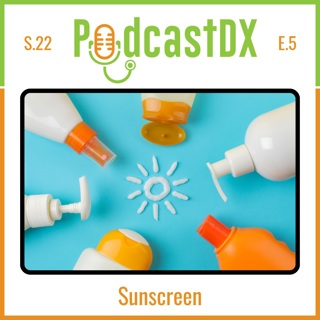
Sunscreen

Sunscreen

In this week's episode of PodcastDX, Lita and Jean Marie break down why sunscreen is about far more than avoiding a bad sunburn—it's everyday cancer prevention. They explain how UV damage happens whil...

28 Heinä 17min
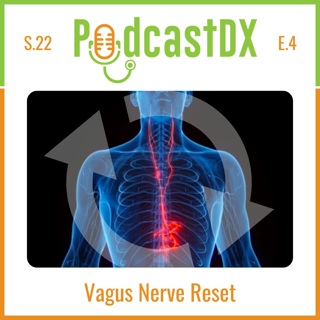
Vagus Nerve Reset

Vagus Nerve Reset

In this solo PodcastDX episode, Lita introduces the concept of the vagus nerve and explains why it has become such a focus in wellness, neurology, psychiatry, and online health spaces. She describes t...

21 Heinä 17min

When Seconds Matter

When Seconds Matter

"When Seconds Matter" is a strong, urgent PodcastDX episode.  It is a personal story about emergency response and the critical minutes before help arrives. It's focused on recognizing danger early, ca...

14 Heinä 14min
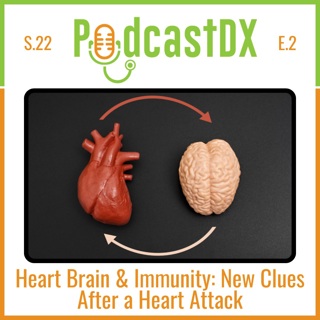
Heart, Brain & Immunity: New Clues After a Heart Attack

Heart, Brain & Immunity: New Clues After a Heart Attack

After a heart attack, the story doesn't end in the arteries. In this episode of PodcastDX, Lita and Jean Marie explore new science showing how the heart, brain, and immune system talk to each other du...

26 Touko 19min
Suosittua kategoriassa Terveys ja hyvinvointi

unicast
tiedenaiset-podcast
rss-pitaisko-erota
vakeva-elama-viisaampi-mieli-vahvempi-keho
meditaatiot-suomeksi
psykopodiaa-podcast
terapiassa
voi-hyvin-meditaatiot-2
katilon-kahvitunti
rss-uplevel-by-sonja-hannus
rss-pt-paahtio
rss-kuumilla-aalloilla
rss-vapaudu-voimaasi
rss-sanelunpurku-podcast
junnut-pelissa
fitnessvastaanotto
rss-terapiaklubi
selviytyjat-tarinoita-elamasta
paritellen
rss-kehtaanko-kysya-podcast-aideille