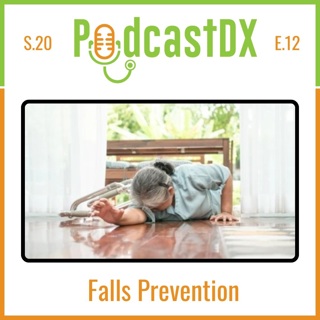

Falls Prevention
PodcastDX21 Loka 2025

Falls Prevention

Falls are a threat to the health of older adults and can reduce their ability to remain independent. However, falls don't have to be inevitable as you age. You can reduce your chance of falling or help a loved one prevent falls. There are proven ways to reduce and prevent falls, even for older adults. We identify older adults as anyone 65 years and older.

​Physical changes and health conditions — and sometimes the medications used to treat those conditions — make falls more likely as you age. In fact, falls are a leading cause of injury among older adults. Still, fear of falling doesn't need to rule your life. Instead, consider six simple fall prevention strategies.

​1. Make an appointment with your health care provider

Start by making an appointment with your health care provider. To assess your risk and discuss fall prevention strategies, your health care provider may want to talk about the following:

  • Your medications. Make a list of your prescription and nonprescription medications and supplements, or bring them with you to the appointment. Your health care provider can review your medications for side effects and interactions that may increase your risk of falling. To help with fall prevention, your health care provider may consider weaning you off medications that make you tired or affect your thinking, such as sedatives, antihistamines and some types of antidepressants.

  • Any previous falls. Write down the details, including when, where and how you fell. Be prepared to discuss instances when you almost fell but were caught by someone or managed to grab hold of something just in time. Details such as these may help your health care provider identify specific fall prevention strategies.

  • Your health conditions. Certain eye and ear disorders may increase your risk of falls. Be prepared to discuss your health conditions and how comfortable you are when you walk — for example, do you feel any dizziness, joint pain, shortness of breath, or numbness in your feet and legs when you walk? Your health care provider may evaluate your muscle strength, balance and walking style (gait) as well.

​​2. Keep moving

Physical activity can go a long way toward fall prevention. With your health care provider's OK, consider activities such as walking, water workouts or tai chi — a gentle exercise that involves slow and graceful dance-like movements. These activities reduce the risk of falls by improving strength, balance, coordination and flexibility.

If you avoid physical activity because you're afraid it will make a fall more likely, tell your health care provider. Your provider may recommend carefully monitored exercise programs or refer you to a physical therapist. The physical therapist can create a custom exercise program aimed at improving your balance, flexibility and muscle strength.

​3. Wear sensible shoes

Consider changing your footwear as part of your fall prevention plan. High heels, floppy slippers and shoes with slick soles can make you slip, stumble and fall. So can walking in your stocking feet. Instead, wear properly fitting, sturdy, flat shoes with nonskid soles. Sensible shoes may also reduce joint pain.

​4. Remove home hazards

Take a look around your home for potential fall hazards. To make your home safer:

  • Remove boxes, newspapers, electrical cords and phone cords from walkways.

  • Move coffee tables, magazine racks and plant stands from high-traffic areas.

  • Secure loose rugs with double-faced tape, tacks or a slip-resistant backing — or remove loose rugs from your home.

  • Repair loose, wooden floorboards and carpeting right away.

  • Store clothing, dishes, food and other necessities within easy reach.

  • Immediately clean spilled liquids, grease or food.

  • Use nonslip mats in your bathtub or shower. Use a bath seat, which allows you to sit while showering.

​​5. Light up your living space

Keep your home brightly lit to avoid tripping on objects that are hard to see. Also:

  • Place night lights in your bedroom, bathroom and hallways.

  • Place a lamp within reach of your bed in case you need to get up in the middle of the night.

  • Make clear paths to light switches that aren't near room entrances. Consider trading traditional switches for glow-in-the-dark or illuminated switches.

  • Turn on the lights before going up or down stairs.

  • Store flashlights in easy-to-find places in case of power outages.

​​6. Use assistive devices

Your health care provider might recommend using a cane or walker to keep you steady. Other assistive devices can help, too. For example:

  • Handrails for both sides of stairways

  • Nonslip treads for bare-wood steps

  • A raised toilet seat or one with armrests

  • Grab bars for the shower or tub

  • A sturdy plastic seat for the shower or tub — plus a hand-held shower nozzle for bathing while sitting down

​​If necessary, ask your health care provider for a referral to an occupational therapist. An occupational therapist can help you brainstorm other fall prevention strategies. Some solutions are easily installed and relatively inexpensive. Others may require professional help or a larger investment. If you're concerned about the cost, remember that an investment in fall prevention is an investment in your independence. (credits MayoClinic)

Tämä jakso on lisätty Podme-palveluun avoimen RSS-syötteen kautta eikä se ole Podmen omaa tuotantoa. Siksi jakso saattaa sisältää mainontaa.

Jaksot(440)

EECP The Most Underutilized Therapy in Medicine

EECP The Most Underutilized Therapy in Medicine

Retired U.S. Coast Guard Master Chief Petty Officer Jack Clifford joins PodcastDX to share how severe chronic angina once limited even everyday activities and left him facing the possibility of triple...

25 Elo 44min

Diary of An Epileptic

Diary of An Epileptic

In this episode of PodcastDX, we speak with Allany Muniz, founder of Diary of an Epileptic, about the realities of living with epilepsy beyond what most people see. Allany shares how her diagnosis cha...

18 Elo 28min

Memory Villages

Memory Villages

Memory Villages explores the promise and the questions surrounding dementia villages—care communities designed to feel more like neighborhoods than institutions. We discuss how familiar surroundings, ...

11 Elo 17min

Ebola

Ebola

In this PodcastDX episode, Lita and Jean Marie unpack Ebola as a severe but not casually spread viral disease, explaining that infection requires direct contact with blood or other body fluids or cont...

4 Elo 23min

Sunscreen

Sunscreen

In this week's episode of PodcastDX, Lita and Jean Marie break down why sunscreen is about far more than avoiding a bad sunburn—it's everyday cancer prevention. They explain how UV damage happens whil...

28 Heinä 17min
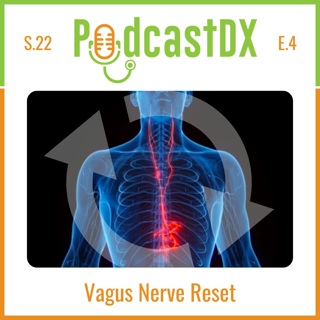
Vagus Nerve Reset

Vagus Nerve Reset

In this solo PodcastDX episode, Lita introduces the concept of the vagus nerve and explains why it has become such a focus in wellness, neurology, psychiatry, and online health spaces. She describes t...

21 Heinä 17min

When Seconds Matter

When Seconds Matter

"When Seconds Matter" is a strong, urgent PodcastDX episode.  It is a personal story about emergency response and the critical minutes before help arrives. It's focused on recognizing danger early, ca...

14 Heinä 14min

Heart, Brain & Immunity: New Clues After a Heart Attack

Heart, Brain & Immunity: New Clues After a Heart Attack

After a heart attack, the story doesn't end in the arteries. In this episode of PodcastDX, Lita and Jean Marie explore new science showing how the heart, brain, and immune system talk to each other du...

26 Touko 19min

Suosittua kategoriassa Terveys ja hyvinvointi

unicast
tiedenaiset-podcast
rss-pitaisko-erota
vakeva-elama-viisaampi-mieli-vahvempi-keho
meditaatiot-suomeksi
psykopodiaa-podcast
terapiassa
voi-hyvin-meditaatiot-2
katilon-kahvitunti
rss-uplevel-by-sonja-hannus
rss-pt-paahtio
rss-kuumilla-aalloilla
rss-vapaudu-voimaasi
rss-sanelunpurku-podcast
junnut-pelissa
fitnessvastaanotto
rss-terapiaklubi
selviytyjat-tarinoita-elamasta
paritellen
rss-kehtaanko-kysya-podcast-aideille