High Availability (HA) Networking: Technical Deep Dive - How HA Actually Works

High Availability (HA) Networking: Technical Deep Dive - How HA Actually Works

PART 2 EPISODE NOTES

Key Takeaways:

• Failover = automatic switch to backup (unplanned)

• Failback = return to primary (planned, manual preferred)

• State synchronization = connection tables, NAT, VPN, config

• Split-brain = both devices active simultaneously (catastrophic)

• Testing quarterly minimum (untested HA = false security)

• Geographic redundancy = protection against site-level disasters

• Common pitfalls: shared dependencies, config drift, neglecting backup

Technical Concepts:

• Failover detection time: 3-15 seconds

• Failover execution time: 1-5 seconds total

• State sync includes: connections, NAT, VPN, DHCP, routing, QoS

• Heartbeat intervals: 1-3 seconds

• Missed heartbeat threshold: 3-5 for failover trigger

• Split-brain prevention: multiple heartbeats, witness device, fencing

Testing Methodology:

1. Schedule during maintenance window

2. Inform stakeholders

3. Document current state

4. Use proper failover command (not power yank)

5. Monitor: failover time, connection continuity, user experience

6. Review logs and alerts

7. Fail back and document

Failure Scenarios to Test:

• Link failure (uplink disconnect)

• Power failure (single/dual supply)

• Software crash simulation

• Overload conditions (backup handles full traffic)

• Site failover (geographic redundancy)

Geographic Redundancy:

• Distance: 10-20 miles (building protection) to 100+ miles (regional)

• Latency impact: 2-5ms typical

• Synchronous replication: less than 50 miles preferred

• Asynchronous replication: unlimited distance

• Requires: dark fiber, Metro Ethernet, MPLS, or SD-WAN

• DNS-based traffic management for site selection

Common Pitfalls:

1. Shared dependencies (same switch, power, ISP)

2. Configuration drift (devices diverge over time)

3. Insufficient testing (never tested = doesn't work)

4. Neglecting backup device (old firmware, expired licenses)

5. Over-complication (complexity exceeds expertise

6. Inadequate capacity (backup can't handle peak load)

Coming in Part 3:

• Cost-benefit analysis

• ROI calculation

• HA architecture by organization size

• Decision framework (when HA makes sense)

• Real-world implementation examples

• Vendor selection considerations

Denne episoden er hentet fra en åpen RSS-feed og er ikke publisert av Podme. Den kan derfor inneholde annonser.

Episoder(270)

Pass-ta-Key Attacks: Is Passwordless Security Still Safe?

Pass-ta-Key Attacks: Is Passwordless Security Still Safe?

Apple, Google, Microsoft, and the security industry have spent years telling us that passkeys are the future of authentication.No passwords.Less phishing.No reusable credentials for attackers to steal...

12 Sep 23min
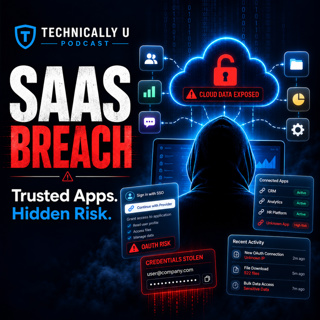
SaaS Bloodbath: Why Your Trusted Apps Are Now the Attack Surface

SaaS Bloodbath: Why Your Trusted Apps Are Now the Attack Surface

Your company may not get hacked through the firewall. It may get breached through the SaaS app everyone trusts.In this episode of Technically U, we break down the growing SaaS security crisis and why ...

5 Sep 36min
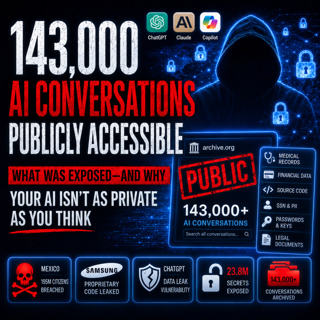
The AI Data Disaster: What ChatGPT, Claude, and Gemini Really Do With Your Secrets

The AI Data Disaster: What ChatGPT, Claude, and Gemini Really Do With Your Secrets

143,000 ChatGPT, Claude, and Copilot conversations are publicly accessible right now. Here's what was exposed—and why your AI isn't as private as you think.🚨 THE HEADLINE:143,000 user conversations w...

29 Aug 21min
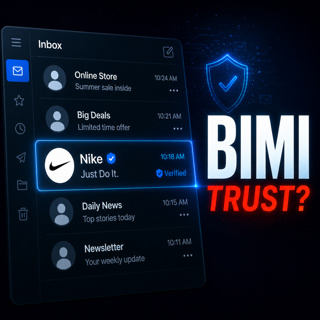
The BIMI Paradox: Why 90% of Companies Are Losing Thousands.

The BIMI Paradox: Why 90% of Companies Are Losing Thousands.

The BIMI Paradox: Why 90% of Companies Are Losing Thousands—And Why Your Logo Might Be Illegal in Inboxes (2026 Reality Check).BIMI (Brand Indicators for Message Identification): 90% of companies have...

29 Aug 26min
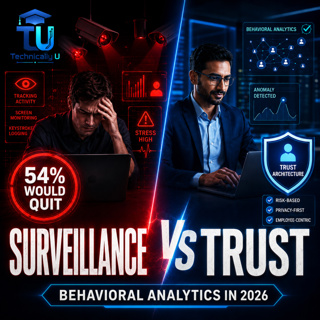
Beyond Surveillance: How Behavioral Analytics Became a Trust Problem

Beyond Surveillance: How Behavioral Analytics Became a Trust Problem

Behavioral Analytics in 2026: How Companies Are Moving From Surveillance to Trust ArchitectureThe paradox nobody talks about: 76% of companies see efficiency gains from monitoring. But 60% of employee...

20 Aug 17min

The Confidence Gap: Why Executives Think AI Agents Are Secure (And Why They're Wrong)

The Confidence Gap: Why Executives Think AI Agents Are Secure (And Why They're Wrong)

The Confidence Gap: AI Agents and the Security Crisis Nobody Is Talking AboutEighty-two percent of executives feel confident that their existing AI agent policies are enough to keep their organization...

8 Aug 18min

Seeing Is No Longer Believing: How Deepfake Fraud Targets Businesses and Families

Seeing Is No Longer Believing: How Deepfake Fraud Targets Businesses and Families

What if the voice on the phone sounds exactly like your boss, your bank, or someone in your family — but it isn’t them?In this episode of Technically U, we break down Deepfake Fraud and why it has bec...

31 Jul 23min

The AI Criminal Playbook: How Cybercrime Changed Forever in 2026

The AI Criminal Playbook: How Cybercrime Changed Forever in 2026

The next generation of cybercrime may not come from a hacker typing code in a dark room.It may come from someone using AI to generate phishing emails, clone voices, create fake identities, manipulate ...

24 Jul 16min

Populært innen Teknologi

teknisk-sett
energi-og-klima
lydartikler-fra-aftenposten
nasjonal-sikkerhetsmyndighet-nsm
smart-forklart
tomprat-med-gunnar-tjomlid
elektropodden
rss-ai-forklart
shifter
pedagogisk-intelligens
fornybaren
kortslutning
rss-bouvet-bobler
rss-ki-praten
rss-teknologioptimistene-en-podkast-om-teknologi-og-mennesker
rss-alt-som-gar-pa-strom
rss-larervarelset
rss-digitaliseringspadden
hans-petter-og-co
rss-bits-and-bytes-for-advokater