
S8, Ep 36: Navigating High Water: Mac Brown's Strategies for Stained Conditions

S8, Ep 36: Navigating High Water: Mac Brown's Strategies for Stained Conditions

Episode Overview

In this Casting Angles segment on The Articulate Fly, host Marvin Cash and veteran guide and Master Casting Instructor Mac Brown tackle one of the most practical — and underappreciated — skill sets in freshwater fly fishing: how to adapt your approach when elevated, stained water follows prolonged rainfall. Recorded against the backdrop of a week of steady rain across western North Carolina, with more forecast ahead, Mac shares a framework for fly selection, water reading and presentation discipline that turns a condition most anglers write off into a genuine tactical advantage.

Mac and Marvin walk through the core principles of fishing stained water: understanding where fish go when visibility drops (higher in the column, into the kitchen riffles), how to match fly color and size to actual visibility rather than habit, and why the grid-tightening approach — spending two to three times longer per spot and halving your grid interval — is the single most important behavioral adjustment for covering dirty water effectively. The conversation also touches on how stained conditions can work in an angler's favor by masking wading noise and allowing closer approaches, and closes with an update on Mac Brown's newly redesigned websites and upcoming fly fishing schools and masterclasses out of Bryson City, North Carolina.

Key Takeaways
  • How to position flies higher in the water column when stained conditions push trout and bass off structure and toward the surface.
  • Why contrast — not naturalism — is the governing principle for fly selection in dirty water, and how that logic changes depending on whether you're fishing a deep pool or a shallow riffle.
  • When to fish dark, high-contrast dry flies (foam or stimulator-style patterns in black or dark gray) versus light-colored nymphs in shallow, broken riffle water where the food is actually concentrated.
  • How to use size, shine and sound (rattles) as visibility supplements when natural colors become invisible in tea-colored water.
  • Why tightening your grid — cutting your grid interval in half and spending two to three times longer per spot — is essential when fish can't track a fly from distance in low-visibility conditions.
  • How stained water tilts the odds in the angler's favor by masking wading noise and enabling closer presentations that would spook fish in clear conditions.

Techniques & Gear Covered

Mac Brown's stained-water framework covers three primary presentations. For dry fly fishing, he advocates dark, high-contrast patterns — black foam bodies, dark brown bodies and black stimulator-style flies — that read clearly against an overcast sky. For nymphing, the key distinction is depth: in deep holes, light penetration is insufficient for fish to see anything, so Mac redirects anglers to shallow riffle heads (what he calls "the kitchen") where fish move to feed and where visibility remains functional in as little as a foot of water. In those shallower zones, he recommends light-colored, small and shiny nymph patterns. Marvin adds that mops and dark stonefly patterns fished with a jigging retrieve are effective for probing stained water more slowly and deliberately, coaxing reluctant fish to commit. Mac references the "Rain X Mop" developed by Jim Estes as an example of a light-colored pattern that works well in shallow riffle water. Rattles are noted as a viable visibility supplement, consistent with the same logic that makes sound important in night fishing. The overarching gear philosophy: let the contrast between fly and water, not the fly's naturalistic fidelity, drive your selection.

FAQ / Key Questions AnsweredHow do I choose fly colors when fishing stained or dirty water?

Mac Brown's core principle is contrast over naturalism: pick a fly color that stands out against the actual background the fish sees, not the color that matches the natural. In overcast conditions with stained water, that means dark dries (black, dark gray) against a light sky, and light or shiny nymphs in shallow zones where the water itself is the dark background. The single rule of thumb is to avoid matching the water's color — a tea-colored fly in tea-colored water is effectively invisible.

Where do trout and bass go when water levels rise and clarity drops?

Both trout and bass move higher in the water column and position themselves in shallower, broken water — particularly riffle heads and foam lines at the head of pools, which Mac calls "the kitchen." These are the zones where dislodged food concentrates and where there's enough ambient light for fish to see. Deep holes become largely unproductive in stained conditions because light penetration is insufficient for fish to spot a fly at depth.

How should I adjust my wading and water coverage in dirty water?

Mac Brown recommends spending two to three times longer in each spot compared to clear-water fishing, and cutting your grid interval roughly in half — from, say, two feet to one foot. Because reduced visibility shortens the distance at which fish can track and respond to a fly, thorough, systematic coverage becomes far more important than covering ground. The goal is to put the fly close enough that the fish almost bumps into it.

Why can stained water actually be an advantage for fly fishers?

Two factors work in the angler's favor when water is stained: fish are less able to detect the angler's presence, which allows closer approaches without spooking; and wading noise is substantially masked by the increased water volume and surface disturbance. Mac Brown notes that he personally prefers fishing in stained conditions for exactly these reasons — the playing field tilts toward the angler who adjusts technique accordingly rather than waiting for clear water.

When should I use dry flies versus nymphs in elevated, stained conditions?

Mac recommends a dry-dropper setup with the dropper kept very close to the surface — not three or four feet down — so that the nymph remains in the productive visibility zone. Dark, high-contrast dries remain viable in stained conditions as long as they're readable against the sky. Pure deep nymphing in pools is largely unproductive; the better bet is redirecting to shallow riffle water where fish are actively feeding and the fly can be seen.

Related Content

S7, Ep 41 – Navigating High Water: Strategies for Success with Mac Brown

S8, Ep 25 – The Science of Stealth: Mac Brown on Fishing Techniques for Low Flow Scenarios

S8, Ep 21 – Casting into Spring: Mac Brown Discusses Wild Trout Fishing and Upcoming Classes

S7, Ep 28 – Warming Waters and Active Fish: A Spring Fishing Update with Mac Brown

Connect with Our Guest

Follow Mac on Facebook, Instagram and Twitter.

Follow the Show

Follow The Articulate Fly on Facebook, Instagram, Threads and YouTube.

Follow our Substack newsletter for episode updates, tips and resources.

Support the Show

Shop through our Amazon link to support the podcast.

Join our Patreon community to support the show.

If you are in the industry and need help getting unstuck, learn more about our consulting options.

Subscribe & Advertise

Subscribe to the podcast in your favorite podcast app.

Think our community is a good fit for your brand? Advertise with us.

Denne episoden er hentet fra en åpen RSS-feed og er ikke publisert av Podme. Den kan derfor inneholde annonser.

Episoder(1106)

S8, Ep 76: The Truth About Rod Action: Mac Brown's Guide to Better Casting Techniques

S8, Ep 76: The Truth About Rod Action: Mac Brown's Guide to Better Casting Techniques

Episode OverviewOn this episode of The Articulate Fly's Casting Angles series, fly casting instructor Mac Brown of Mac Brown Fly Fish in Bryson City, North Carolina, joins host Marvin Cash to take apa...

14 Okt 11min
S8, Ep 75: Autumn Angling Insights: George Costa's Tips for Central PA's Changing Waters

S8, Ep 75: Autumn Angling Insights: George Costa's Tips for Central PA's Changing Waters

Episode OverviewThis Central PA Fishing Report from The Articulate Fly, a fly fishing podcast, catches up with George Costa, manager of TCO Fly Shop in State College, Pennsylvania, for an early-fall l...

9 Okt 3min
S8, Ep 74: Pennsylvania Smallmouth Wrap-Up: Captain Brian Shumaker on Low Water and Stingy Fish

S8, Ep 74: Pennsylvania Smallmouth Wrap-Up: Captain Brian Shumaker on Low Water and Stingy Fish

Episode OverviewIn the final Pennsylvania Smallmouth Report of the season on The Articulate Fly, Captain Brian Shumaker of Susquehanna River Guides explains how to keep putting smallmouth bass in the ...

7 Okt 9min
S8, Ep 73: REDUX: The Fight for Our Future: Land Tawney on Grassroots Advocacy and Public Lands

S8, Ep 73: REDUX: The Fight for Our Future: Land Tawney on Grassroots Advocacy and Public Lands

Episode OverviewThis award-winning episode of The Articulate Fly, which took 1st place in the 2026 Outdoor Writers Association of America (OWAA) Excellence in Craft awards (Radio/Podcast: Conservation...

2 Okt 54min
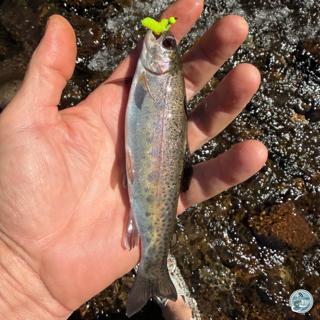
S8, Ep 72: Casting Essentials: Mac Brown's Guide to Power and Arc

S8, Ep 72: Casting Essentials: Mac Brown's Guide to Power and Arc

Episode OverviewOn this Casting Angles episode of The Articulate Fly, host Marvin Cash and Mac Brown, fly casting instructor at Mac Brown Fly Fish in Bryson City, North Carolina, unpack the biggest li...

30 Sep 11min
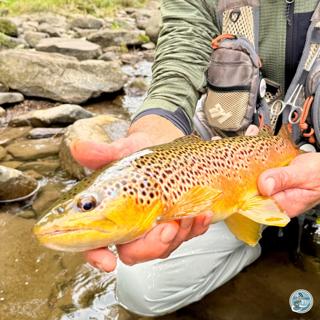
S8, Ep 71: Fall Fishing Forecast: George Costa on Streamers, Hatches and Safety Tips

S8, Ep 71: Fall Fishing Forecast: George Costa on Streamers, Hatches and Safety Tips

Episode OverviewGeorge Costa, manager of TCO Fly Shop in State College, Pennsylvania, returns to The Articulate Fly for another Central PA Fishing Report as the region shifts firmly into fall. Recent ...

26 Sep 4min
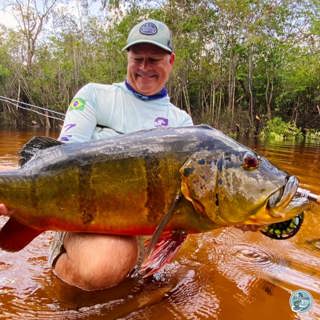
S8, Ep 70: REDUX: Nomadic Waters and the Allure of Amazonian Peacock Bass

S8, Ep 70: REDUX: Nomadic Waters and the Allure of Amazonian Peacock Bass

Episode OverviewIn this episode of The Articulate Fly, host Marvin Cash sits down with Michael Williams, owner and host of Nomadic Waters, to explain how anglers catch Amazon peacock bass on the fly a...

24 Sep 1h 15min
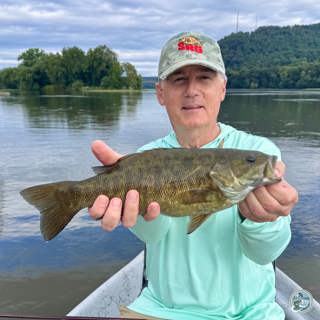
S8, Ep 69: Navigating the Transition: Captain Brian Shumaker on Smallmouth Behavior and Fishing Techniques

S8, Ep 69: Navigating the Transition: Captain Brian Shumaker on Smallmouth Behavior and Fishing Techniques

Episode OverviewOn this Pennsylvania Smallmouth Report from The Articulate Fly fly fishing podcast, host Marvin Cash checks in with Captain Brian Shumaker of Susquehanna River Guides for an early fall...

23 Sep 8min

Populært innen Fakta

fastlegen
dine-penger-pengeradet
rss-kunsten-a-leve
fryktlos
relasjonspodden-med-dora-thorhallsdottir-kjersti-idem
rss-strid
treningspodden
rss-bisarr-historie
foreldreradet
jakt-og-fiskepodden
rss-orjasater
sinnsyn
hverdagspsyken
mikkels-paskenotter
gravid-uke-for-uke
rss-mind-body-podden
dopet
hr-podden-2
rss-var-forste-kaffe
level-up-med-anniken-binz

















