

Podcast 579:  Yersinia Pestis

Podcast 579: Yersinia Pestis

Contributor: Don Stader, MD

Educational Pearls:

  • Yersinia Pestis is the bacteria that caused the black plague. It was first discovered to be the cause of the bubonic plague in 1800s in China during the 3rd bubonic plague where 10-20 million people died
  • Causes 3 types of plague:
    • Bubonic plague: characterized by severe swelling of lymph nodes called buboes, most commonly in the groin, also axillary and olecranon lymph nodes.
    • Septicemic plague: characterized by severe sepsis, no lymphadenopathy. This strain famously causes disseminated intravascular coagulopathy (DIC) and can lead to limb necrosis and fingers turning black. Hence the name the Black Death.
    • Pneumonic: most dangerous of the plagues and characterized by PNA on CXR with pronounced mediastinal lymphadenopathy
  • Fleas are the largest reservoir, although prairie dogs and squirrels have been known to carry the bacteria as well.
  • Yersinia Pestis creates a microfilm inside the stomach of fleas and renders them incapable of digesting your blood when they try to eat it and they vomit the bacteria into your blood.
  • Doxycycline and Ciprofloxacin are the mainstay of treatment.

References

Achtman M, Zurth K, Morelli G, Torrea G, Guiyoule A. Carniel E. Yersinia pestis, the cause of plague, is a recently emerged clone of Yersinia pseudotuberculosis. Proc Natl Acad Sci U S A. 1999. doi:10.1073/pnas.96.24.14043

Galimand M, Carniel E, Courvalin P. Resistance of Yersinia pestis to Antimicrobial Agents. Antimicrob Agents Chemother. 2006;50(10):3233 LP - 3236. doi:10.1128/AAC.00306-06

Sexton D, Stout J. Clinical Manifestations, Diagnosis, And Treatment Of Plague (Yersinia Pestis Infection). Waltham, MA: UpToDate; 2020.

Summarized by Mason Tuttle & Jackson Roos, MS4 | Edited by Erik Verzemnieks, MD


Episoder(1146)

Podcast #249: Detecting Pulses

Podcast #249: Detecting Pulses

Author: Jared Scott, M.D. Educational Pearls Overall, medical providers are bad at detecting pulses. However, only 2% of patients do not have a detectable DP pulse. In one study, for patients with l...

10 Sep 20173min

Podcast #248: Family Presence During Resuscitation

Podcast #248: Family Presence During Resuscitation

Author: Aaron Lessen, M.D. Educational Pearls Traditionally the family is removed from the room during procedures and codes, but recent research shows that family presence may be beneficial. 50% pati...

8 Sep 20173min
Podcast #249: D-Dimer

Podcast #249: D-Dimer

Author: Michael Hunt, M.D. Educational Pearls In the recent YEARS study, investigators checked every patient with suspicion for PE with a D-dimer, using a modified Wells score for risk stratification...

6 Sep 20173min
Podcast #248: Patent Foramen Ovale

Podcast #248: Patent Foramen Ovale

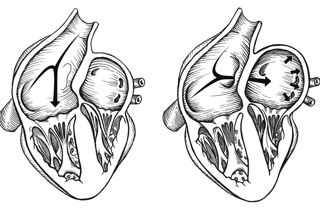
Author: Jared Scott, M.D. Educational Pearls The foramen ovale (FO) connects the left and right atria to allow oxygenated blood to bypass the developing lungs, it usually closes at birth but for some...

4 Sep 20173min

Podcast #247: Are You Listening? - 3 Ear Emergencies You Can't Miss!

Podcast #247: Are You Listening? - 3 Ear Emergencies You Can't Miss!

Author: Don Stader, M.D. Educational Pearls Ear pain is a common complaint in adults and kids. A red, hot, painful ear with involvement of the pinna could indicate perichondritis - an infection of th...

2 Sep 20176min
Podcast #246: Fever in Sepsis

Podcast #246: Fever in Sepsis

Author: Nick Hatch, M.D. Educational Pearls A recent observational cohort study found that the biggest predictor for sepsis survival was fever. Those with higher fevers had better outcomes. Some poss...

31 Aug 20172min
Podcast #245: Hypoglycemia

Podcast #245: Hypoglycemia

Author: Dylan Luyten, M.D. Educational Pearls Hypoglycemia is very common in type 2 diabetics, and is often caused by insulin overdose or missed meals. Knowing the peak time of action for common diab...

29 Aug 20174min
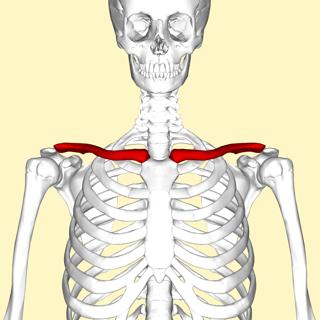
Podcast #244: Clavicle Fracture Review

Podcast #244: Clavicle Fracture Review

Author: Nick Hatch, M.D. Educational Pearls The force required to break a clavicle is significant, so clavicle fracture may be associated with other injury (pneumothorax, vascular injury). Most fract...

27 Aug 20172min

Populært innen Vitenskap

fastlegen
tingenes-tilstand
rekommandert
jss
rss-rekommandert
rss-nysgjerrige-norge
villmarksliv
forskningno
sinnsyn
rss-paradigmepodden
fjellsportpodden
vett-og-vitenskap-med-gaute-einevoll
nordnorsk-historie
smart-forklart
rss-overskuddsliv
diagnose
abid-nadia-skyld-og-skam
abels-tarn
tomprat-med-gunnar-tjomlid
aldring-og-helse-podden