
Podcast 579:  Yersinia Pestis

Podcast 579: Yersinia Pestis

Contributor: Don Stader, MD

Educational Pearls:

  • Yersinia Pestis is the bacteria that caused the black plague. It was first discovered to be the cause of the bubonic plague in 1800s in China during the 3rd bubonic plague where 10-20 million people died
  • Causes 3 types of plague:
    • Bubonic plague: characterized by severe swelling of lymph nodes called buboes, most commonly in the groin, also axillary and olecranon lymph nodes.
    • Septicemic plague: characterized by severe sepsis, no lymphadenopathy. This strain famously causes disseminated intravascular coagulopathy (DIC) and can lead to limb necrosis and fingers turning black. Hence the name the Black Death.
    • Pneumonic: most dangerous of the plagues and characterized by PNA on CXR with pronounced mediastinal lymphadenopathy
  • Fleas are the largest reservoir, although prairie dogs and squirrels have been known to carry the bacteria as well.
  • Yersinia Pestis creates a microfilm inside the stomach of fleas and renders them incapable of digesting your blood when they try to eat it and they vomit the bacteria into your blood.
  • Doxycycline and Ciprofloxacin are the mainstay of treatment.

References

Achtman M, Zurth K, Morelli G, Torrea G, Guiyoule A. Carniel E. Yersinia pestis, the cause of plague, is a recently emerged clone of Yersinia pseudotuberculosis. Proc Natl Acad Sci U S A. 1999. doi:10.1073/pnas.96.24.14043

Galimand M, Carniel E, Courvalin P. Resistance of Yersinia pestis to Antimicrobial Agents. Antimicrob Agents Chemother. 2006;50(10):3233 LP - 3236. doi:10.1128/AAC.00306-06

Sexton D, Stout J. Clinical Manifestations, Diagnosis, And Treatment Of Plague (Yersinia Pestis Infection). Waltham, MA: UpToDate; 2020.

Summarized by Mason Tuttle & Jackson Roos, MS4 | Edited by Erik Verzemnieks, MD


Episoder(1145)

Podcast #220: A-Fib Cardioversion

Podcast #220: A-Fib Cardioversion

Author: Aaron Lessen, M.D. Educational Pearls Atrial fibrillation is common. One of the best treatments for a fib is cardioversion back into sinus rhythm. Cardioversion may increase stroke risk if A-...

23 Jun 20172min

Podcast #219: History of Sepsis

Podcast #219: History of Sepsis

Author: Chris Holmes, M.D. Educational Pearls "Sepo' is a term from Homer (author of The Iliad and The Odyssey), and means "I rot". Hippocrates in 400 BC identified sepsis as a "dangerous decay withi...

21 Jun 20176min

Podcast #218: Estimating Pediatric Weight

Podcast #218: Estimating Pediatric Weight

Author: Aaron Lessen, M.D. Educational Pearls Asking parents and Broselow Tape are common options for estimating pediatric weight. Equipment sizes should not be adjusted for under/overweight kids bas...

19 Jun 20172min
Podcast #217: Designer Drugs

Podcast #217: Designer Drugs

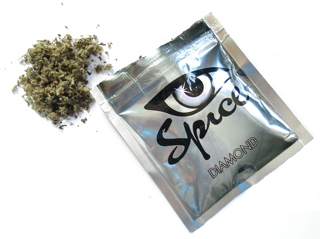
Author: John Winkler, M.D. Educational Pearls: Designer, or "synthetic" drugs include bath salts, synthetic THC, and many others. Many of these drugs are originally manufactured in China and are ship...

17 Jun 20173min

Podcast #216: Roller Coasters and Kidney Stones

Podcast #216: Roller Coasters and Kidney Stones

Author: Aaron Lessen, M.D. Educational Pearls: Anecdotal evidence suggests that roller coasters may help with kidney stones. A recent study used a model of a kidney and ureter with different sized s...

13 Jun 20171min

Opioid MIniseries Part IV: Harm Reduction

Opioid MIniseries Part IV: Harm Reduction

PRACTICE RECOMMENDATIONS 1. Patients who abuse opioids should be managed without judgement; addiction is a medical condition and not a moral failing. Caregivers should endeavor to meet patients "where...

8 Jun 201748min
Opioid Miniseries Part III: Alternative to Opioids

Opioid Miniseries Part III: Alternative to Opioids

PRACTICE RECOMMENDATIONS 1. All emergency departments should implement ALTO programs and provide opioid-free pain treatment pathways for the following conditions: a. Acute on chronic opioid-tolerant r...

8 Jun 201749min

Opioid Miniseries Part II: Limiting Opioids in the Emergency Department

Opioid Miniseries Part II: Limiting Opioids in the Emergency Department

RACTICE RECOMMENDATIONS 1. Opioids are inherently dangerous, highly addictive drugs with significant abuse potential, numerous side effects, lethality in overdose, rapid development of tolerance, and ...

8 Jun 20171h 8min

Populært innen Vitenskap

fastlegen
tingenes-tilstand
rekommandert
jss
rss-rekommandert
rss-nysgjerrige-norge
villmarksliv
forskningno
sinnsyn
rss-paradigmepodden
fjellsportpodden
vett-og-vitenskap-med-gaute-einevoll
nordnorsk-historie
smart-forklart
rss-overskuddsliv
diagnose
abid-nadia-skyld-og-skam
abels-tarn
tomprat-med-gunnar-tjomlid
aldring-og-helse-podden