Episode 906: Case Study of Hypernatremia

Episode 906: Case Study of Hypernatremia

Contributor: Aaron Lessen MD

Educational Pearls:

The case:

  • A gentleman came in from a nursing home with symptoms concerning for sepsis. He was hypotensive, hypoxic, febrile, and mentally altered.

  • His past medical history included previous strokes which had left him with deficits for which he required a feeding tube.

  • Initial workup included some point of care labs which revealed a sodium of 165 mEq/L (normal range 135-145)

Hypernatremia

  • What causes it?

    • Dehydration, from insufficient fluid intake. This might happen in individuals who cannot drink water independently, such as infants, elderly, or disabled people, as was the case for this patient.

    • Other causes of dehydration/hypernatremia include excessive sweating; diabetes insipidus; diuretic use; kidney dysfunction; and severe burns which can lead to fluid loss through the damaged skin.

  • How do you correct it?

    • Need to correct slowly, not more than 10 to 12 meq/L in 24 hours

    • Can do normal saline (0.9%) or half saline (0.45%) and D5, at 150-200 mL per hour.

    • Check the sodium frequently (every 2-3 hours)

    • Will likely need ICU-level monitoring

  • What happens if you correct it too quickly?

    • Cerebral edema

    • Seizures

Bonus fact: Correction of hyponatremia too quickly causes osmotic demyelination syndrome (ODS).

References

  1. Chauhan, K., Pattharanitima, P., Patel, N., Duffy, A., Saha, A., Chaudhary, K., Debnath, N., Van Vleck, T., Chan, L., Nadkarni, G. N., & Coca, S. G. (2019). Rate of Correction of Hypernatremia and Health Outcomes in Critically Ill Patients. Clinical journal of the American Society of Nephrology : CJASN, 14(5), 656–663. https://doi.org/10.2215/CJN.10640918

  2. Lindner, G., & Funk, G. C. (2013). Hypernatremia in critically ill patients. Journal of critical care, 28(2), 216.e11–216.e2.16E20. https://doi.org/10.1016/j.jcrc.2012.05.001

  3. Muhsin, S. A., & Mount, D. B. (2016). Diagnosis and treatment of hypernatremia. Best practice & research. Clinical endocrinology & metabolism, 30(2), 189–203. https://doi.org/10.1016/j.beem.2016.02.014

Summarized by Jeffrey Olson MS2 | Edited by Meg Joyce & Jorge Chalit, OMSIII

Episoder(1148)

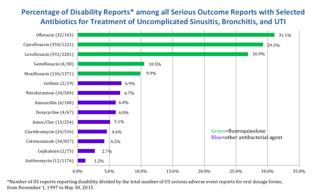
Pharmacy Friday #1: Antibiotic Alternatives to Fluoroquinolones for Infectious Disease

Pharmacy Friday #1: Antibiotic Alternatives to Fluoroquinolones for Infectious Disease

Welcome to EMM's first Pharmacy Friday where we dive deeper on a certain pharmacological topic as it pertains to emergency medicine. Dr. Rachael Duncan, emergency medicine clinical Pharmacist, joins u...

21 Aug 202019min
Buprenorphine after Naloxone

Buprenorphine after Naloxone

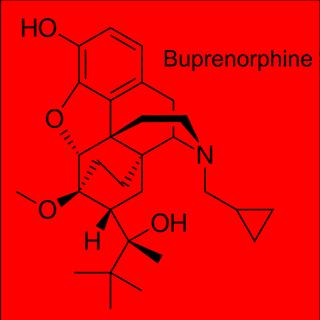
EMM would like to extend a large thank you to the Pain Management and Addiction Medicine section of the American College of Emergency Physicians for allowing us to post their webinar panel discussion ...

19 Aug 20201h 18min

Podcast 588: Esmolol for Refractory Ventricular Fibrillation

Podcast 588: Esmolol for Refractory Ventricular Fibrillation

Contributor: Ricky Dhaliwal, MD, JD Educational Pearls: Ventricular Fibrillation (VF) is a potentially fatal cardiac arrhythmia; Refractory VF even more so Epinephrine stimulates alpha and beta recep...

18 Aug 20203min

Podcast 587:  Puppies Preventing Burnout?

Podcast 587: Puppies Preventing Burnout?

Contributor: Jared Scott, MD Educational Pearls: Burnout happens. This study reminds us to take a few minutes on shift to take care of yourself. A new study looked at burnout in ER nurses, residents,...

17 Aug 20204min
On the Streets #7: Burns in the Pre-Hospital and ED Setting

On the Streets #7: Burns in the Pre-Hospital and ED Setting

Burns are low-volume, high-acuity injuries that require special attention and care from the pre-hospital team to the Emergency Department and finally to a dedicated burn unit and ICU. As a first respo...

12 Aug 202048min

Podcast 586:  Toxic Shock Syndrome

Podcast 586: Toxic Shock Syndrome

Contributor: Don Stader, MD Educational Pearls: Toxic shock syndrome (TSS) is a rare cause of shock typically caused by Staph aureus or Strep pyogenes, that produces a toxin that leads to rapid onset...

11 Aug 20206min
Podcast 585:  You Sure You Want Colchicine for Gout?

Podcast 585: You Sure You Want Colchicine for Gout?

Contributor: Don Stader, MD Educational Pearls: Gout is an arthritis caused by the deposition of urate crystals into the joint space Colchicine works by disrupting microtubules and prevents white blo...

10 Aug 20203min

Podcast 584:  Ketamine for Depression and Suicidality

Podcast 584: Ketamine for Depression and Suicidality

Contributor: Jared Scott, MD Educational Pearls: Suicide is currently the 10th leading cause of death in the US  Low quality studies have reported ketamine as a potential promising agent in treating ...

4 Aug 20203min

Populært innen Vitenskap

fastlegen
tingenes-tilstand
rekommandert
jss
sinnsyn
forskningno
villmarksliv
liberal-halvtime
rss-rekommandert
fjellsportpodden
dekodet-2
rss-paradigmepodden
rss-overskuddsliv
tidlose-historier
tomprat-med-gunnar-tjomlid
utenrikshospitalet
katastrofe-i-hjernen
pod-britannia
rss-nysgjerrige-norge
rss-lundqvist-podden