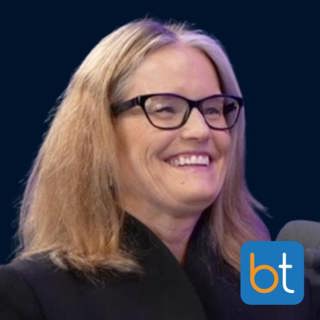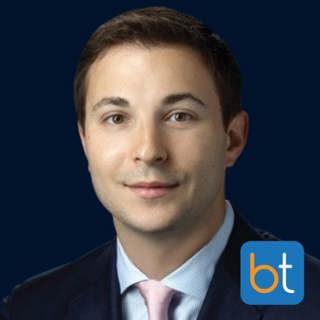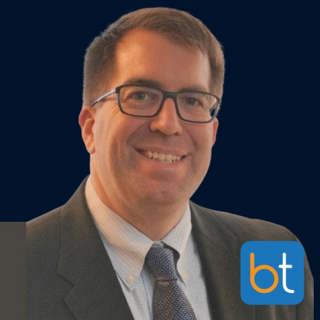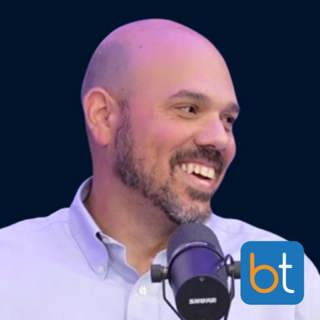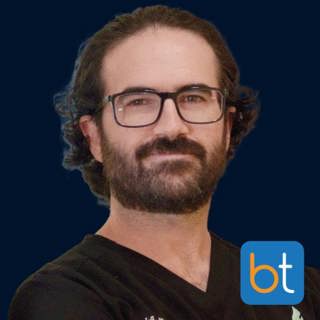
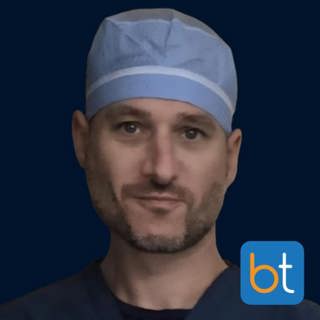
Ep. 294 How to Implement Advanced Vascular Ultrasound Techniques in Your Practice with Dr. Mary Costantino and Dr. Miguel Montero-Baker

Ep. 294 How to Implement Advanced Vascular Ultrasound Techniques in Your Practice with Dr. Mary Costantino and Dr. Miguel Montero-Baker

In this episode, guest host and vascular technologist Jill Sommerset interviews Dr. Mary Costantino (interventional radiologist) and Dr. Miguel Montero-Baker (vascular surgeon) about their perspectives on an ultrasound-first approach to diagnosing and planning treatment for critical limb-threatening ischemia (CLTI). --- CHECK OUT OUR SPONSORS Reflow Medical https://www.reflowmedical.com/ Boston Scientific Drug Elution https://www.bostonscientific.com/en-US/medical-specialties/vascular-surgery/drug-eluting-therapies.html?utm_source=oth_site&utm_medium=native&utm_campaign=pi-at-us-de_portfolio-hci&utm_content=n-backtable-n-backtable_site_portfolio_1_2023&cid=n10012334 --- SHOW NOTES To begin, each doctor shares how ultrasound fits into their practice philosophy. Dr. Costantino is the sole practitioner in her outpatient-based catheterization lab, and she finds that ultrasound provides an opportunity for her to connect with patients and communicate their diagnoses and options in a straightforward manner. She also recognizes the value of investing in advanced ultrasound training for her vascular technologists and for herself, so the practice can function cohesively and focus on providing patient-centered care. On the other hand, Dr. Montero-Baker speaks about the utility of ultrasound in practices across the globe, particularly in resource-limited settings. Additionally, he describes the need for the longitudinal follow up needed to fight this chronic disease process, as well as the need to manage holistic aspects of CTLI such as proper nutrition, wound care, and orthotics. He is currently building a clinical center that will provide these aspects. We take a moment to reflect on the power of social media as a unifying force for a like-minded “global tribe” of vascular specialists. All three guests can recall numerous instances in which they were inspired by another practitioner, or they were contacted and asked for advice by others. Dr. Costantino adds that social media has helped her realize that there is a strong need for collaboration between interventional radiologists and vascular surgeons, in order to generate treatment options and provide quality patient care. She speaks about the importance of learning from and trusting other specialties. To wrap up the episode, we examine how innovation in ultrasound technology has largely stagnated with the advent of other imaging modalities and opportunities to better incorporate ultrasound into CLTI care. Dr. Costantino encourages vascular specialists to seek out ultrasound training and let patient symptoms and quality of life guide treatment decisions. Dr. Montero-Baker believes that change is required on the systemic level and he advocates for a move towards value-based care. --- RESOURCES Ep. 90- Pedal Acceleration Time for Limb Salvage: https://www.backtable.com/shows/vi/podcasts/90/pedal-acceleration-time-for-limb-salvage Ep. 229- Ultrasound Series: First Line Imaging for CLTI: https://www.backtable.com/shows/vi/podcasts/229/ultrasound-series-first-line-imaging-for-clti Ep. 241- Emerging Techniques of Advanced Ultrasound in No Option CLTI Patients: https://www.backtable.com/shows/vi/podcasts/241/emerging-techniques-of-advanced-ultrasound-in-no-options-clti-patients Ep. 155- The Butterfly Story: https://www.backtable.com/shows/vi/podcasts/155/the-butterfly-story Advanced Vascular Centers: https://advancedvascularcenters.com/ Jill Sommerset Twitter: https://twitter.com/JillSommerset Mary Costantino Twitter: https://twitter.com/drcostantino1 Miguel Montero-Baker Twitter: https://twitter.com/monteromiguel Society for Vascular Ultrasound (SVU): https://www.svu.org/ American Vein and Lymphatic Society (ALVS): https://www.myavls.org/

Episoder(610)

Ep. 581 IR Physicians as Key Decision-Makers in Health Systems with Dr. Howard Chrisman

Ep. 581 IR Physicians as Key Decision-Makers in Health Systems with Dr. Howard Chrisman

From the angio suite to the boardroom, what qualities of an interventional radiologist translate into pioneering leadership? Tune in to hear from Dr. Howard Chrisman, the President and CEO of Northwestern Medicine, as he discusses his journey with hosts Dr. Sabeen Dhand and Dr. Aaron Fritts.---SYNPOSISDr. Chrisman shares his inspiring journey from a student with an initial interest in veterinary medicine to a leader in interventional radiology (IR) and healthcare administration. He recounts his pivotal experiences, including his mentorship under prominent IRs, his decision to pursue an MBA, and the importance of building trust and fostering relationships within clinical and administrative realms. He details his learnings in developing self-awareness, being open to multiple viewpoints, and amplifying your voice as an IR. The discussion touches on the future of interventional radiology, the impact of artificial intelligence on the field, and the essential qualities for leadership in healthcare. Dr. Chrisman also reflects on the significance of learning from mistakes and the role of mentorship in his career, emphasizing the value of collaboration and empathy in achieving success.---TIMESTAMPS00:00 - Introduction 03:21 - Mentorship and Career Development09:55 - Balancing Bias and Decision Making18:32 - Building Trust and Value in Healthcare23:13 - The Future of Radiology and AI Integration28:48 - The Role of MBAs in Healthcare32:24 - Reflections on Leadership and Career35:43 - Conclusion and Final Thoughts

14 Okt 38min

Ep. 580 How to Manage Portal Vein Thrombosis with Dr. Vijay Ramalingam

Ep. 580 How to Manage Portal Vein Thrombosis with Dr. Vijay Ramalingam

When a patient presents with portal vein thrombosis (PVT), how do you decide between anticoagulation, intervention, and adjunct therapies? In this episode, Dr. Vijay Ramalingam, vascular and interventional radiologist from Beth Israel Deaconess Medical Center, joins Backtable host Dr. Chris Beck to share his approach to evaluation and management of both acute and chronic PVT.---SYNPOSISThe discussion begins with an overview of the Splanchnic Vein Thrombosis Multidisciplinary Clinic at Beth Israel– a collaboration between Interventional Radiology, Hepatology/Gastroenterology, Surgery and Hematology. Dr. Ramalingam details the clinic's workflow, from initial case conference to the comprehensive single-day patient workup that includes imaging, lab work, and consultations with all three specialties. He shares his algorithm for treatment decisions, breaking down the distinct management pathways for patients with and without cirrhosis, and for those with acute vs. chronic thrombosis.Finally, Dr. Ramalingam details his portal vein recanalization technique during procedure, providing a step-by-step guide to his preferred dual-access approach for complex cases, including his method for trans-splenic access and his trick on how to safely close the splenic tract. He also explains when it’s appropriate to use adjunctive therapies like suction thrombectomy and catheter-directed lysis, and describes preliminary data showing that their comprehensive approach leads to a change in management for about 40% of patients.---TIMESTAMPS00:00 - Introduction05:35 - Splanchnic Vein Thrombosis Multidisciplinary Clinic22:24 - Multidisciplinary Approach26:17 - PVT Classification38:47 - Treatment Evaluation and Intervention44:21 - Alternative Treatment Options for PVT49:00 - Procedural Techniques59:53 - Adjunct Techniques and Case Studies01:02:58 - Review of Preliminary Data & Final Thoughts

10 Okt 1h 9min

Ep. 579 How to Manage Vascular Anomalies: From Hemangioma to AVM with Dr. Clifford Weiss

Ep. 579 How to Manage Vascular Anomalies: From Hemangioma to AVM with Dr. Clifford Weiss

This week’s episode is a masterclass on vascular anomaly treatment. Brush up on your malformations with Dr. Cliff Weiss, the Director of the Vascular Anomaly Center at Johns Hopkins. He shares next-level techniques, precision diagnostics, and his 'gold standard' approach to alcohol sclerotherapy. --- This podcast is supported by:RADPAD® Radiation Protectionhttps://www.radpad.com/ --- SYNPOSIS The episode begins with the most vital component of patient care: establishing a correct diagnosis through proper classification. Dr. Weiss shares his philosophy that “MRI is a conversation” - not just an image, detailing the specific MRI protocols to confidently make a diagnosis over 90% of the time. He then shares an overview of the classification system, differentiating vascular tumors like hemangiomas from high-flow and low-flow vascular malformations. Dr. Weiss explores a wide array of treatment strategies tailored to each diagnosis. He walks through his techniques for treating low-flow malformations with sclerotherapy—using agents like alcohol, doxycycline, and bleomycin based on a lesion’s location and characteristics—and his use of cryoablation for vascular tumors. He then dives into the creative and high-stakes approaches for treating AVMs, comparing transvenous and transarterial embolization with agents like Onyx and coils, before concluding with his predictions on the future of IR in the field. --- TIMESTAMPS 00:00 - Introduction 02:36 - Vascular Anomaly Center at Johns Hopkins06:33 - Vascular Anomaly & Malformation Diagnosis with Imaging09:04 - Classifying Vascular Anomalies15:55 - Vascular Tumors18:46 - Low-Flow Malformations27:58 - Needle Placement29:56 - Retro-orbital & ENT Malformations32:44 - AVM Treatment Strategy40:41 - Following up with Patients

7 Okt 47min

Ep. 578 Navigating Disability after a Life-Changing Event with Dr. Nicholas Hanson

Ep. 578 Navigating Disability after a Life-Changing Event with Dr. Nicholas Hanson

What happens when the doctor suddenly becomes the patient? In this episode of the BackTable podcast, host Dr. Ally Baheti interviews Dr. Nicholas Hanson, an interventional and diagnostic radiologist from Oregon, about a life-changing event that dramatically altered his career.---SYNPOSISDr. Hanson describes the circumstances surrounding a severe car accident that resulted in a traumatic brain injury and subsequent medical complications, including the discovery of a heart aneurysm. He shares the challenges of his recovery, his struggle with insurance companies, and the emotional and professional toll of his experiences. Dr. Hanson provides valuable insights into the importance of disability insurance and the often overwhelming process of navigating healthcare systems. The discussion also touches on the ongoing debate about the separation of interventional radiology from diagnostic radiology and how sudden life events can impact one's career in medicine.---TIMESTAMPS00:00 - Introduction01:19 - The Life-Changing Event09:28 - Navigating Insurance and Disability16:39 - The Future of IR and Career Advice21:50 - Struggles with Disconnection28:56 - The Road to Recovery35:20 - Reflecting on the Journey37:42 - Closing Thoughts and Future Hopes

3 Okt 40min

Ep. 577 Microwave Ablation for Liver Tumors: Techniques & Outcomes with Dr. Driss Raissi

Ep. 577 Microwave Ablation for Liver Tumors: Techniques & Outcomes with Dr. Driss Raissi

Is microwave ablation only for simple liver tumors, or can it be a versatile ‘Swiss Army knife’ for a wide range of complex cases? In this episode, Dr. Driss Raissi of the University of Kentucky returns to BackTable to join host Dr. Chris Beck for a deep dive into advanced and unconventional microwave ablation techniques. They cover strategies for tackling a wide range of cases, from desmoid tumors to enterocutaneous fistulas.---This podcast is supported by:Medtronic Emprinthttps://www.medtronic.com/emprint---SYNPOSISDr. Raissi shares his ‘pre-burn’ technique that desiccates tissue and reduces complications like capsular burst and bleeding. He elaborates on his method for tackling large liver tumors with a single probe through overlapping ablations, needle placement techniques and his ‘lung seal technique’ to prevent pneumothorax. Dr. Raissi also shares how his previous experience in the ICU promotes close communication with anesthesiologists and how he ups his ablation game through collaboration, optimizing conditions for safe and effective ablation.The episode explores a series of unique, real-world applications beyond the usual scope of IRs. Dr. Raissi walks us through his novel approach to challenging cases, including cauterization of enterocutaneous fistulas, endometriomas and desmoid tumors. He also compares using microwave or cryoablation for renal cell carcinoma, explaining thought processes based on lesion location and the need for speed and simplicity. The discussion provides an overview of ablation physics and careful techniques that expand treatment possibilities for IR patients.---TIMESTAMPS00:00 - Introduction 04:08 - Advanced Techniques for Liver Tumor Ablation06:06 - Pre-Burning Ablation and Ablating a Range of Lesions16:38 - Lung Ablation22:00 - Partnering with Anesthesia28:53 - Managing Postoperative Pain and Nerve Injuries29:42 - Treating Enterocutaneous Fistulas, Endometriomas & Desmoid Tumors38:49 - Adrenal Gland Ablation: A Case Study44:50 - Microwave vs. Cryoablation for Renal Cell Carcinoma49:06 - Preventing Pneumothorax in Lung Ablation

30 Sep 52min

Ep. 576 Biliary Endoscopy Techniques: Managing Strictures & Drains with Dr. Ahsun Riaz

Ep. 576 Biliary Endoscopy Techniques: Managing Strictures & Drains with Dr. Ahsun Riaz

So you’ve placed the biliary drain—are your patients getting the follow up that they need? In this episode, Dr. Ahsun Riaz from Northwestern University joins host, Dr. Christopher Beck, for a deep dive into biliary strictures—how to manage them effectively and navigate the potential complications of this challenging chronic condition.---This podcast is supported by:Medtronic Emprinthttps://www.medtronic.com/emprint---SYNPOSISDr. Riaz takes us inside his journey of building a specialized hepatobiliary service at Northwestern, highlighting innovative practices like endoscopic techniques and radiofrequency ablation. He unpacks the nuances of distinguishing benign from malignant strictures, shares technical pearls for patient management, and emphasizes the power of collaboration with Gastroenterology to improve long-term patient outcomes. He outlines key technical considerations, including the use of the Hudson loop and strategic equipment selection to address intra-procedural challenges. He further emphasizes the importance of comprehensive patient care—ensuring appropriate follow-up, minimizing drain duration, and prioritizing quality of life as essential components of optimal management.---TIMESTAMPS00:00 - Introduction01:28 - Biliary Drain Management04:18 - Approach to Biliary Strictures19:20 - Endoscopic Evaluation and Techniques27:53 - Practical Tips and Experiences with Endoscopy30:39 - Post-Procedure Follow-Up and Patient Outcomes31:16 - Learning from the Hudson Roof Technique32:48 - Innovations in Benign Stricture Management36:48 - Endobiliary Ablation: Equipment and Procedure40:23 - The Double Dragon Technique Explained46:02 - Considerations for Malignant Biliary Stenting52:37 - Future Innovations and Collaborative Care

26 Sep 57min

Ep. 575 Physician Employment Models: Exploring Benefits & Challenges with Dr. Ryan Trojan

Ep. 575 Physician Employment Models: Exploring Benefits & Challenges with Dr. Ryan Trojan

Could hospital employment be your path to practicing 100% interventional radiology (IR)? In this episode of BackTable, host Dr. Ally Baheti sits down with Dr. Ryan Trojan, an interventional radiologist at INTEGRIS Health in Oklahoma City, to discuss the pros and cons of hospital employment contracts in IR.---This podcast is supported by:Medtronic Emprinthttps://www.medtronic.com/emprint---SYNPOSISThe physicians take a deep dive into the evolving employment models in the IR landscape. Dr. Trojan shares his journey from a private IR-DR blended practice to becoming directly employed by a hospital, highlighting the financial challenges, contract negotiations, and administrative dynamics along the way. He explains the growing loss of IR talent to lucrative diagnostic contracts and emphasizes the importance of advocating for IR’s value to hospital systems, from decreasing length of stay to supporting ECMO, trauma, and transplant services. The discussion covers financial security, administrative support, and the benefits of having aligned goals with the hospital in order to grow an IR practice. Dr. Trojan also addresses common misconceptions about IR and private practice, detailing how the landscape is likely to change over the coming years, and offers advice on navigating employment contracts. ---TIMESTAMPS00:00 - Introduction03:02 - Transition to Hospital Employment12:15 - Advocating for IR’s Value16:07 - Contract Structures and Compensation Models25:07 - Benefits and Downsides of the Employed Model28:27 - Negotiating Contracts and Fair Market Value41:12 - Conclusion---RESOURCESDr. Trojan’s contact information:ryan.trojan@integrishealth.org

23 Sep 43min

Ep. 574 MRI Guided Interventions: Techniques, Benefits, & Clinical Applications with Dr. Clifford Weiss and Dr. David Woodrum

Ep. 574 MRI Guided Interventions: Techniques, Benefits, & Clinical Applications with Dr. Clifford Weiss and Dr. David Woodrum

Should MRI-guided interventions be on your radar? Find out why the future of interventional radiology might lie in MRI guidance with experts Dr. Clifford Weiss from Johns Hopkins University and Dr. David Woodrum from the Mayo Clinic.---This podcast is supported by:Medtronic Emprinthttps://www.medtronic.com/emprint---SYNPOSISThe physicians join host Dr. Chris Beck to explore the benefits of MRI guided procedures, including superior imaging capabilities and reduced radiation exposure. Dr. Weiss and Dr. Woodrum detail the challenges and barriers to adoption, like the intricate set up needed to protect equipment from a strong magnetic field. They highlight the significant technological advancements and collaborations between MRI and device companies that are set to make MRI guided interventions more accessible and practical for everyday use. They also discuss the reimbursement paradigm for MRI guided biopsies and how similar the algorithm is to CT guided procedures.The episode closes with unique insights for young physicians on training opportunities and the promising future of MRI guided interventions for trainees looking to bring a different approach to their future practices.---TIMESTAMPS00:00 - Introduction05:13 - The Advantages of MRI in Interventional Radiology13:44 - Technical Insights and Challenges of MRI Guided Procedures18:46 - Future Prospects and Industry Developments in MRI Guided Interventions31:01- Development of Hybrid MRI Rooms48:19 - Economic Considerations and Reimbursement52:33 - Community Support for MRI Interventions56:41 - Conclusion and Final Thoughts---RESOURCESInternational Society for Magnetic Resonance in Imaging:https://www.ismrm.org/

19 Sep 59min

Populært innen Fakta

merry-quizmas
fastlegen
relasjonspodden-med-dora-thorhallsdottir-kjersti-idem
dine-penger-pengeradet
rss-strid-de-norske-borgerkrigene
foreldreradet
treningspodden
dypdykk
rss-kunsten-a-leve
fryktlos
jakt-og-fiskepodden
rss-sarbar-med-lotte-erik
tomprat-med-gunnar-tjomlid
gravid-uke-for-uke
hverdagspsyken
sinnsyn
rss-sunn-okonomi
rss-impressions-2
takk-og-lov-med-anine-kierulf
rss-var-forste-kaffe