

Beethoven Triple Concerto
Beethoven's Triple Concerto might be his most heavily criticized work. Musicians look down on it, critics always complain about it, conductors hate conducting it, orchestral musicians hate playing it, and yet it still gets performed fairly regularly. But I'm here today, thanks to Brooke who sponsored today's show on Patreon, to say that I think all of this criticism of this much maligned piece is totally unfair. I love the Beethoven Triple Concerto, and I think I can convince you to as well.
18 Juni 202051min
Encounters with Milhaud, Messiaen, Stravinsky, Lutoslawski, and Ligeti, with John Heiss
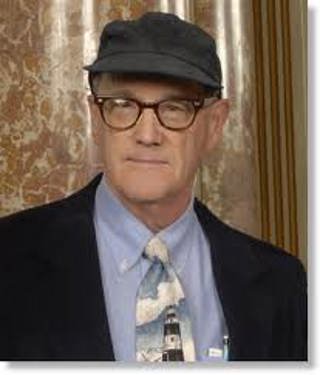
John Heiss teaches composition, flute, and music history at the New England Conservatory. I first encountered Mr. Heiss in his legendary Schoenberg/Stravinsky class at NEC and have been an admirer of his ever since. Mr. Heiss spearheaded visits to NEC from composers such as Milhaud, Messiaen, Stravinsky, Lutoslawski, and Ligeti, the subjects of today's conversation. You'll notice I don't say much - today is like coming to class with a master teacher, an experience I'm so glad to be able to share with you.
15 Juni 202056min
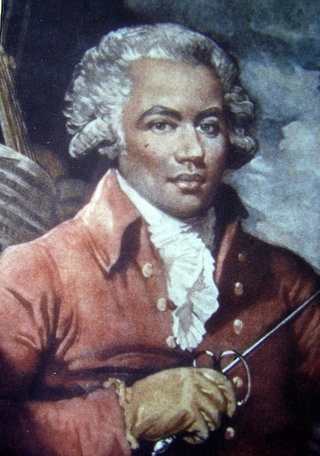
The Life and Music of Le Chevalier de Saint-Georges
Just a glance at a biography of Le Chevalier should have every movie producer salivating. He was the son of a 17 year old slave and her white owner. He was an expert athlete, known as the greatest fencer in all of France. He led a legion of black troops to fight during the French Revolution. On the musical side, he was a virtuoso violinist and wrote some truly wonderful music that is only recently being rediscovered by mainstream institutions. Join Sticky Notes as we explore his remarkable life and music.
11 Juni 202046min

Stephen Hough on Practicing Through the Pandemic, Composing, and Classical Music as Entertainment.
First, I want to let my listeners know that Thursday will begin a new commitment to exploring the works of minority composers. It's long past time to begin doing that. For today, please enjoy this thoughtful and deeply entertaining conversation with the great pianist, composer, and writer Stephen Hough. Hough is one of the great pianists of our time and is also a deep thinker about classical music of yesterday and today. I had so much fun with this conversation, recorded about three weeks ago. Enjoy!
8 Juni 202045min

Bartok Violin Duos and Social Duoing
Bartok's 44 Violin Duos are a triumph of Bartok's devotion to the folk music of Eastern Europe. 42 of the 44 are based on field recordings Bartok collected in his travels, many of which you will hear today. The social duoing project, where I played all 44 duos with 44 violinists from around the world, was started as a result of the pandemic, but was also made possible by this forced pause in travel and work. Enjoy!
4 Juni 202056min
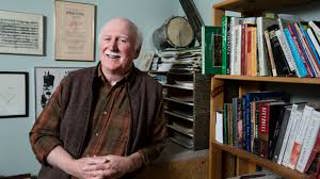
How Musical Revolutions Were Created, Part 2 - w/ Jan Swafford
Jan Swafford was such a fantastic guest last time that I thought we had to have him back on! During these past two weeks, we discussed how so much of the revolutionary music in the history of classical music was influenced by storytelling, whether it was Monteverdi, Beethoven, Berlioz, Wagner, Debussy, Ives, Stravinsky, or Schoenberg. This week, on Part 2, we discuss the final 4 composers, including one of the most beautiful descriptions of Ives I've ever heard. Don't miss this episode! You won't regret it.
1 Juni 202048min
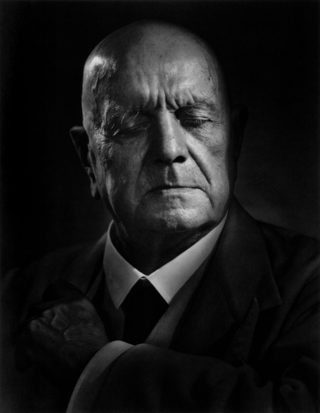
Sibelius Symphony No. 7
Sibelius' 7th Symphony is a piece that is barely a symphony at all, and yet it carries symphonic logic throughout. It's only 20 minutes long, in one movement that never stops evolving, with a form that has sparked many debates, and with an ending that is as shocking as any in the Western Repertoire. Simply put, it is Sibelius at his best, and so today we'll take apart this incredibly complex piece, talking about its form, its stunning metric modulations, its inspiration, and of course, its abiding emotion.
28 Maj 202044min

How Musical Revolutions Were Created, Part 1 - w/Jan Swafford
Jan Swafford was such a fantastic guest last time that I thought we had to have him back on. This week(and next week), we discussed how so much of the revolutionary music in the history of classical music was influenced by storytelling, whether it was Monteverdi, Beethoven, Berlioz, Wagner, Debussy, Ives, Stravinsky, or Schoenberg. This week, on Part 1, we discuss the first 4 composers on the list, trying to understand the chicken or the egg question of which came first? The story? Or the revolution?
25 Maj 202039min