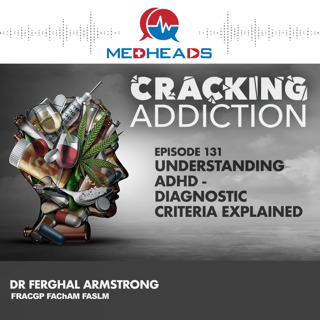
Understanding ADHD: Diagnostic Criteria Explained
Cracking Addiction28 Helmi 2024

Understanding ADHD: Diagnostic Criteria Explained

Dr. Ferghal Armstrong and Dr. Manu Bhatnagar dissect the diagnostic criteria for ADHD, shedding light on the nuanced symptoms and the importance of a comprehensive assessment. By exploring the specific domain requirements, exclusion criteria, and subtypes of ADHD, they provide a deeper understanding of the diagnosis process, particularly in different age groups. The episode offers valuable insights for clinicians, educators, and individuals looking to understand ADHD and its impact on daily life.

Episode focus keyword: ADHD diagnostic criteria


Key points:


1. Diagnostic Criteria for ADHD: Dr. Bhatnagar explains the use of DSM-5 criteria for diagnosing ADHD in Australia, emphasizing the longstanding nature of the symptoms and the retrospective diagnosis in adults.


2. Age Considerations: The discussion delves into the importance of symptoms appearing before the age of twelve, with Dr. Armstrong emphasising the need for a collateral history from primary school to ascertain symptoms across multiple domains.


3. Domain Requirements: Dr. Bhatnagar elaborates on the need for symptoms to manifest in more than two settings, such as school, home, and hobbies, influencing academic, social, and personal functioning.


Learning outcomes:


1. Understanding Diagnostic Criteria: Gain a comprehensive understanding of the DSM-5 criteria used for diagnosing ADHD, including the duration and pervasive nature of symptoms.


2. Age-Specific Considerations: Learn about the significance of symptoms appearing before the age of twelve and the role of collateral history in diagnosing ADHD in different age groups.


3. Impact of Symptoms: Understand the impact of symptoms across multiple domains and settings, including academic, social, and personal aspects of an individual's life.


Actionable takeaways:


1. Educators and Parents: When observing potential ADHD symptoms in children, seek a collateral history from school and home to understand the pervasive nature of symptoms.


2. Clinicians: Conduct a thorough assessment and use a natural history approach to gauge the impact of symptoms on an individual's daily functioning, particularly in academic and social settings.


Quote: "ADHD says nothing about intelligence; it says nothing about rules. It's about being able to sit there and give focus to those things." - Dr. Bhatnagar


Hashtags: #ADHD #MentalHealth #DiagnosticCriteria #ChildhoodDevelopment #Neurodiversity #ClinicalAssessment #DSM5 #PsychiatricDisorders #PatientCare #Meducate

Jaksot(238)

Addiction Is a Brain Disorder, Not a Character Flaw - Addiction Basics EP1

Addiction Is a Brain Disorder, Not a Character Flaw - Addiction Basics EP1

Addiction isn’t a failure of willpower — it’s a brain disorder.And misunderstanding that fact has cost millions of people their recovery.In Part 1 of this 10-part series, you’ll finally understand wha...

6 Helmi 4min
Smoking During Recovery Might Be Your Biggest Mistake

Smoking During Recovery Might Be Your Biggest Mistake

What if quitting smoking is the fastest way to strengthen addiction recovery?That sounds backwards… but the science says otherwise.For decades, addiction treatment has repeated the same advice: deal w...

28 Tammi 3min
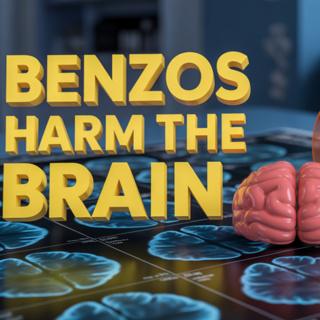
They never told us benzos do this to your brain

They never told us benzos do this to your brain

These drugs calm your brain—but what if they’re silently increasing your stroke risk?For decades, benzodiazepines like Valium and Xanax were seen as safe, even neuroprotective. Doctors believed that b...

21 Tammi 3min

Is Any Amount of Alcohol Actually Safe? The Science Says No

Is Any Amount of Alcohol Actually Safe? The Science Says No

For decades, alcohol has enjoyed a surprising reputation as a health booster—especially red wine. You’ve heard the claims: stronger hearts, longer life, protection against dementia. But when you dig i...

14 Tammi 4min

The Truth About Kava: Benzodiazepine Effects Nobody Explains

The Truth About Kava: Benzodiazepine Effects Nobody Explains

In this episode, we explore "kava kava," a traditional Pacific plant with anxiolytic effects similar to low-dose benzodiazepines. We discuss its active compounds, kavalactones, and how they contribute...

7 Tammi 3min

The Brain Pattern That Shows Addiction Risk Years in Advance

The Brain Pattern That Shows Addiction Risk Years in Advance

Can a brain scan predict addiction risk BEFORE first use? 🚨Most people think substances change the brain after experimentation.But this episode flips the script.In Cracking Addiction, Dr. Ferghal Arm...

1 Tammi 4min

Kava in Australia: Natural Calm or Silent Liver Damage?

Kava in Australia: Natural Calm or Silent Liver Damage?

Kava is everywhere… but is it silently damaging your patients’ livers?Kava is now turning up in Australian pharmacies, health food stores and online — marketed as a “natural” fix for anxiety, stress a...

28 Joulu 20254min

How to Cut Sugar by 78% in 30 Days

How to Cut Sugar by 78% in 30 Days

How to Cut Sugar by 78% in 30 Days.Sugar is hijacking your brain — but you can take control back faster than you think.Most people want to quit sugar… but at 3 p.m., stressed and tired, the biscuits i...

12 Joulu 20253min

Suosittua kategoriassa Terveys ja hyvinvointi

unicast
rss-hanna-tikander
voi-hyvin-meditaatiot-2
tiedenaiset-podcast
rss-pitaisko-erota
psykopodiaa-podcast
rss-narsisti
rss-kuumilla-aalloilla
vakeva-elama-viisaampi-mieli-vahvempi-keho
puhu-muru
junnut-pelissa
meditaatiot-suomeksi
rss-pt-paahtio
rss-kyykkya-ja-kuoharia
terapiassa
fitnessvastaanotto
katilon-kahvitunti
selviytyjat-tarinoita-elamasta
paritellen
rss-seuraava-potilas