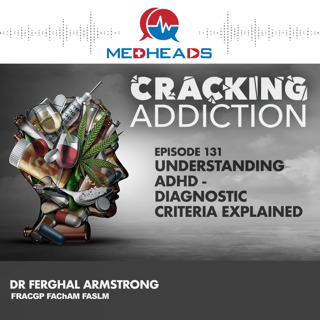
Understanding ADHD: Diagnostic Criteria Explained
Cracking Addiction28 Helmi 2024

Understanding ADHD: Diagnostic Criteria Explained

Dr. Ferghal Armstrong and Dr. Manu Bhatnagar dissect the diagnostic criteria for ADHD, shedding light on the nuanced symptoms and the importance of a comprehensive assessment. By exploring the specific domain requirements, exclusion criteria, and subtypes of ADHD, they provide a deeper understanding of the diagnosis process, particularly in different age groups. The episode offers valuable insights for clinicians, educators, and individuals looking to understand ADHD and its impact on daily life.

Episode focus keyword: ADHD diagnostic criteria


Key points:


1. Diagnostic Criteria for ADHD: Dr. Bhatnagar explains the use of DSM-5 criteria for diagnosing ADHD in Australia, emphasizing the longstanding nature of the symptoms and the retrospective diagnosis in adults.


2. Age Considerations: The discussion delves into the importance of symptoms appearing before the age of twelve, with Dr. Armstrong emphasising the need for a collateral history from primary school to ascertain symptoms across multiple domains.


3. Domain Requirements: Dr. Bhatnagar elaborates on the need for symptoms to manifest in more than two settings, such as school, home, and hobbies, influencing academic, social, and personal functioning.


Learning outcomes:


1. Understanding Diagnostic Criteria: Gain a comprehensive understanding of the DSM-5 criteria used for diagnosing ADHD, including the duration and pervasive nature of symptoms.


2. Age-Specific Considerations: Learn about the significance of symptoms appearing before the age of twelve and the role of collateral history in diagnosing ADHD in different age groups.


3. Impact of Symptoms: Understand the impact of symptoms across multiple domains and settings, including academic, social, and personal aspects of an individual's life.


Actionable takeaways:


1. Educators and Parents: When observing potential ADHD symptoms in children, seek a collateral history from school and home to understand the pervasive nature of symptoms.


2. Clinicians: Conduct a thorough assessment and use a natural history approach to gauge the impact of symptoms on an individual's daily functioning, particularly in academic and social settings.


Quote: "ADHD says nothing about intelligence; it says nothing about rules. It's about being able to sit there and give focus to those things." - Dr. Bhatnagar


Hashtags: #ADHD #MentalHealth #DiagnosticCriteria #ChildhoodDevelopment #Neurodiversity #ClinicalAssessment #DSM5 #PsychiatricDisorders #PatientCare #Meducate

Jaksot(238)

What Happens to Teen Brains After Cannabis?

What Happens to Teen Brains After Cannabis?

What Happens to Teen Brains After Cannabis?What if one long-term study could completely reshape how we view teenage cannabis use? This jaw-dropping video unpacks a landmark 38-year study from Dunedin,...

27 Marras 20253min
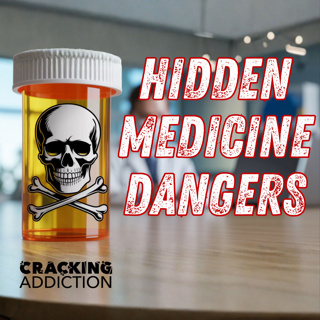
The Hidden Danger In Your Medicine Cabinet!

The Hidden Danger In Your Medicine Cabinet!

Millions unknowingly store a lethal cocktail in their medicine cabinets—and it’s not from illicit drugs. In this gripping episode, Dr. Ferghal Armstrong reveals a hidden danger in modern medicine: the...

19 Marras 20253min
Can a Single Dose of Ibogaine Cure PTSD? Stanford Thinks So

Can a Single Dose of Ibogaine Cure PTSD? Stanford Thinks So

In a stunning breakthrough, Stanford researchers have unveiled a potential game-changer in the fight against PTSD and traumatic brain injury. This episode dives deep into the science and promise behin...

12 Marras 20253min
Can Your Genes Predict Addiction? Science Says Yes

Can Your Genes Predict Addiction? Science Says Yes

Addiction isn't just about choices—it's also in your genes.New research reveals that your risk for alcohol, opioid, and cannabis addiction might be genetically linked—even if you've never touched a su...

6 Marras 20253min

Cannabis and Psychosis: What 66,000 People Revealed

Cannabis and Psychosis: What 66,000 People Revealed

Cannabis and Psychosis: What 66,000 People RevealedCannabis and Psychosis: What Science REALLY Says Is cannabis as harmless as many believe? A groundbreaking study of over 66,000 people says… not quit...

26 Loka 20254min
Does Cannabis Really Help with Anxiety? | The Science Explained

Does Cannabis Really Help with Anxiety? | The Science Explained

Does Cannabis Really Help with Anxiety? | The Science ExplainedFor years, many have turned to weed for anxiety relief, but new research suggests the truth might be more complex. In this video, we unco...

9 Loka 20253min
Australia's Dangerous New Opioid Shocks Doctors

Australia's Dangerous New Opioid Shocks Doctors

The Drug Landscape Has Changed—Are You Ready? Australia is now facing one of the deadliest evolutions in synthetic opioids—nitazenes. With potency levels up to 20 times higher than fentanyl, these hid...

3 Loka 20258min

Pregnancy and Smoking: The Real Cost Beyond Birth

Pregnancy and Smoking: The Real Cost Beyond Birth

This episode of Cracking Addiction delivers a powerful, evidence-packed message on how smoking profoundly impacts reproductive health, pregnancy, and the lifelong wellbeing of children. Dr. Ferghal Ar...

25 Syys 20256min

Suosittua kategoriassa Terveys ja hyvinvointi

unicast
rss-hanna-tikander
voi-hyvin-meditaatiot-2
tiedenaiset-podcast
rss-pitaisko-erota
psykopodiaa-podcast
rss-narsisti
rss-kuumilla-aalloilla
vakeva-elama-viisaampi-mieli-vahvempi-keho
puhu-muru
junnut-pelissa
meditaatiot-suomeksi
rss-pt-paahtio
rss-kyykkya-ja-kuoharia
terapiassa
fitnessvastaanotto
katilon-kahvitunti
selviytyjat-tarinoita-elamasta
paritellen
rss-seuraava-potilas